If you’re planning a bathroom remodel in Gulf Breeze, the acrylic or tile shower decision is probably the single biggest choice you’ll face. Both have distinct advantages, and both have real downsides nobody likes to talk about. I’ve installed hundreds of showers along the Gulf Coast, and I can tell you: the right pick depends on your budget, your bathroom, and honestly, how much maintenance you’re willing to do in Florida’s brutal humidity.
The short answer: For most Gulf Breeze homeowners, acrylic showers win on cost, speed, and low maintenance-especially in guest baths or if you want a quick turnaround. But if this is your primary bathroom, you plan to stay long-term, and you want a beautiful shower that adds real value, a custom tile shower is worth the investment. The biggest deciding factor? Maintenance requirements in our humid coastal climate.
What Are Acrylic Shower Systems?

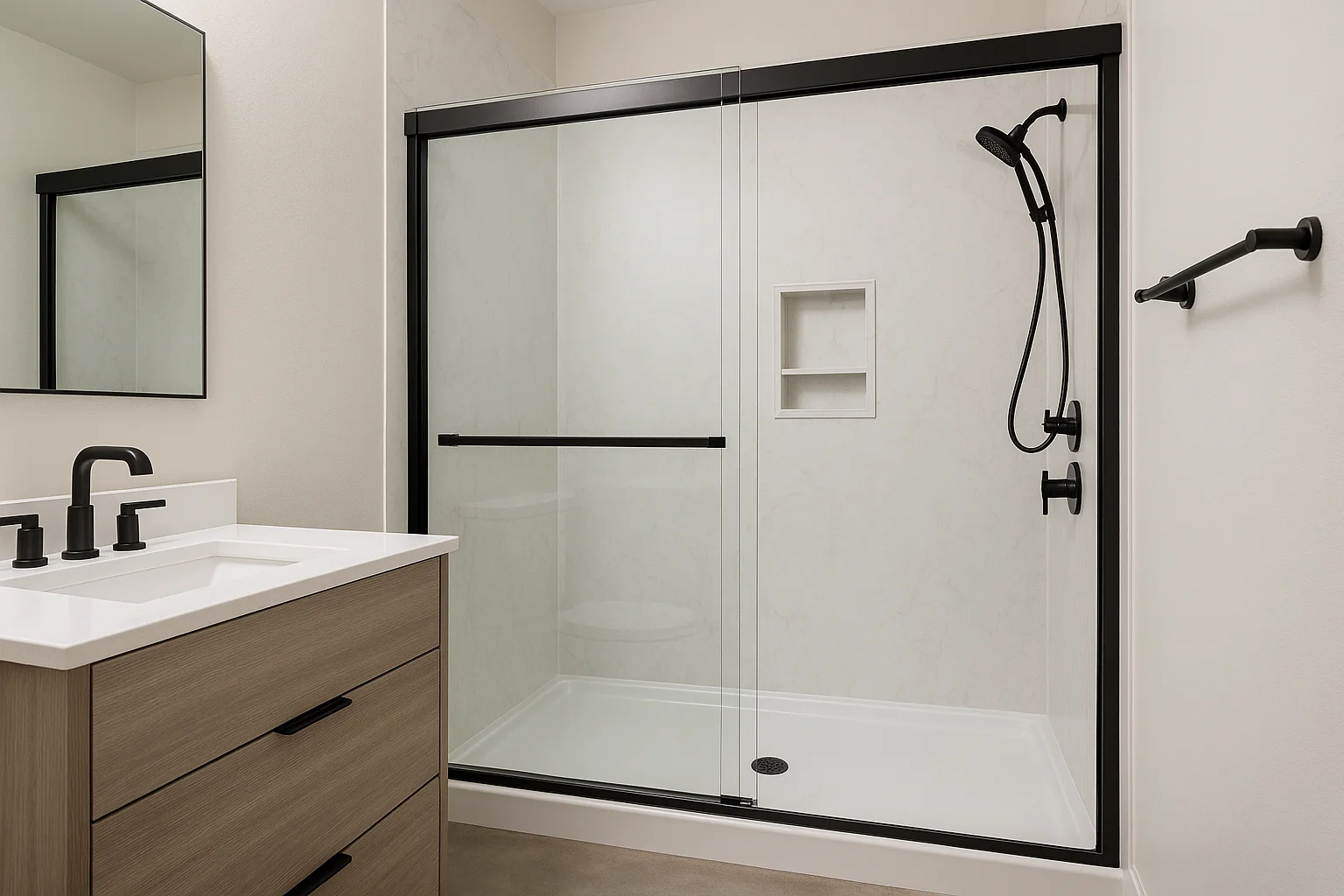
An acrylic shower system is a set of pre-formed acrylic panels-vacuum-molded sheets reinforced with fiberglass or resin-that cover your shower walls and base. There’s no tile, no grout lines, and very few seams. Components arrive ready to mount, and the whole thing goes up fast.
Defining strengths:
Non-porous smooth surface that doesn’t absorb water or harbor mold and mildew the way grout does
Quick installation-most jobs wrap in 1–2 days
Integrated storage like built-in shelves, ledges, or seats molded right into the panels
Mold resistance thanks to the lack of porous materials; fewer places for mildew growth to take hold
If you want to understand the differences between acrylic, PVC, and solid-surface shower walls, that’s worth reading before you commit to a material.
What Are Tile Showers?
Tile showers are built on-site, piece by piece. Individual ceramic, porcelain tiles, or natural stone tiles get set over a waterproof substrate-cement backer board or a membrane system-then grouted and sealed. Underneath, proper waterproofing protects walls and framing from moisture damage.
Defining strengths:
Unlimited design options-any color, size, shape, pattern, from subway tile to herringbone mosaics
Premium aesthetic appeal with real texture and depth that acrylic can’t match
Exceptional durability-tile can last for decades if properly installed and maintained
Resale value-buyers in the Pensacola Bay area expect quality tile in primary bathrooms
Acrylic vs Tile Showers: How They Compare at a Glance

Factor | Acrylic Shower | Tile Shower |
|---|---|---|
Best for | Budget-conscious homeowners, secondary baths, rental properties | Primary bathrooms, design-driven remodeling projects, long-term homes |
Typical installed cost | $700–$5,000 (most mid-range jobs $1,200–$3,500) | $4,000–$12,000+ depending on materials and complexity |
Installation time | 1–2 days | 1–3 weeks |
Maintenance level | Low-wipe-downs, check caulk every few years | Higher-regular cleaning, annual grout sealing, caulk replacement |
Customization options | Limited to manufacturer styles, colors, and patterns | Virtually unlimited-custom patterns, niches, benches, different materials |
Lifespan | 10–15 years | 30–50+ years |
The headline takeaway: acrylic wins on cost, speed, and daily convenience. Tile wins on design freedom, longevity, and resale impact-but only when installed and maintained correctly.
Cost: Initial Investment and Long-Term Value
Cost is usually the first important factor homeowners ask about, and the gap between these two options is significant.
Acrylic showers are generally more cost-effective than tile showers. A full acrylic install-panels, acrylic bases, labor-typically runs $700 to $5,000, with most mid-range jobs landing around $1,200–$3,500. Acrylic showers typically cost a few hundred dollars for materials alone, and labor costs stay lower because the crew finishes in a day or two.
Tile Costs Add Up Fast
Tile showers can cost from a few thousand to tens of thousands. For a custom tile shower in Florida with benches, niches, and quality porcelain tiles or natural stone, expect $4,000–$12,000+. Walk-in shower remodels in Orlando average $6,080–$12,200 depending on features. Labor costs are the big driver-skilled tile setters, waterproofing, multi-day curing, and all the stepwise work push prices up.
The Long View
Here’s what I tell homeowners: acrylic showers have lower initial investment than tile showers, but tile installations that last 30–50 years may cost less per year of use. If you’re planning to sell within five years, a clean acrylic job in a guest bath won’t hurt you. But for a primary bathroom remodel where you want to understand the full cost picture, tile’s long-term value usually justifies the premium.
Winner: Acrylic-if upfront budget is your main constraint, acrylic is the budget friendly option. But tile delivers better value over 15+ years of ownership.
Installation Time: Days vs Weeks

Installation time matters more than most people realize. If this is your only shower, being without it for two weeks is a real problem.
Acrylic showers can be installed within one to two days. Panels come pre-formed-your crew removes the old shower, preps the substrate, mounts the new acrylic walls and base, seals the seams with silicone, and you’re showering that evening or the next morning. Acrylic shower bases are easier to install than tile bases, and the whole system gets installed quickly because there’s no mortar, no grout, no curing time.
Why Tile Takes Longer
Tile shower installation can take up to three weeks. Each stage-substrate prep, waterproofing membrane, tile layout and setting, grouting, sealing-requires drying or curing time between steps. Tile showers require individual tiles to be laid and sealed, and Florida’s high humidity can actually slow cure times for adhesives and grout despite the heat.
Simulated tile showers are faster to install than traditional tiles, but they still can’t match acrylic’s speed. If you’re weighing a tub-to-shower conversion, the timeline difference between acrylic and tile becomes even more noticeable because you’re already adding demolition time.
Winner: Acrylic-no contest. Acrylic showers are typically faster to install than tile showers by a wide margin. The trade-off: tile’s longer process yields a more customized, longer-lasting result.
Maintenance in Florida's Climate
This is where your decision either pays off or comes back to bite you. Gulf Breeze’s year-round humidity, salty coastal air, and hard water create a tough environment for any shower material. How much maintenance you’re willing to commit to should drive your choice.
Acrylic: Simple but Not Zero
Acrylic showers are easier to clean due to fewer seams. The non-porous surface won’t absorb moisture or grow mold the way grout does. Your routine: wipe down after showers, use a mild cleaner (never abrasive cleaners-they scratch the surface and dull the finish), and inspect caulk seams every couple of years.
Acrylic panels have minimal seams, reducing mold growth significantly. But acrylic showers require daily cleaning to prevent mold at those seam lines and around silicone joints. That’s where your weak points live.
Tile: More Work, More Vigilance
Tile showers require more maintenance than acrylic showers—that’s simply the reality. In addition, they need regular scrubbing and periodic grout sealing because grout lines are porous. In Florida’s climate, cement-based grout needs resealing every year in wet areas like showers. Skip that, and you’ll see soap scum buildup, discoloration, and eventually mold and mildew growth in those grout lines.
Tile showers need regular cleaning and sealing to maintain grout. Silicone caulk at corners and floor junctions needs replacement roughly every 3–5 years. Tile showers are prone to mold if not sealed properly-and in our climate, “properly” means consistently.
Epoxy Grout: A Middle Ground
Using epoxy grout instead of standard cement grout eliminates the need for regular sealing and resists staining far better. It costs more upfront, but for Gulf Breeze tile showers, I consider it smart money.
Winner: Acrylic-the low maintenance edge is real, especially for homeowners who don’t want to commit to annual grout upkeep. That said, tile’s maintenance burden is completely manageable if you stay disciplined and have good bathroom ventilation.
Design Flexibility and Customization
If creating a personalized shower space matters to you, this category isn’t close.
Tile showers offer more customization options than acrylic showers. With tile, you get endless customization options in colors and styles-mosaics, large-format porcelain, natural stone accents, herringbone patterns, custom built-in shelves, recessed niches, curved benches. You can mix different materials and textures within the same shower. Tile showers can include custom features like built-in shelves and grab bars exactly where you want them. The design versatility is unmatched for anyone with specific design preferences.
What Acrylic Offers Today
Acrylic showers have limited color and style choices compared to tile, but manufacturers have improved. Simulated tile comes in various colors, patterns, and finishes-some acrylic panels now mimic subway tile or stone veining convincingly from a distance. Products like Kohler LuxStone push the boundaries of what acrylic walls can look like.
Still, acrylic tile-look panels lose fidelity up close. Printed grout lines can look flat, and the style choices are limited to what manufacturers offer. If you want a truly custom, high-design space, tile is the right choice.
Winner: Tile-by a wide margin for design freedom and aesthetic appeal. Acrylic has improved, but it can’t match real tile’s depth, texture, or range of design options.
Durability and Longevity
For daily use in a Gulf Breeze bathroom, both materials hold up-but on very different timescales.
Acrylic can last around 10 to 15 years with proper care. Some manufacturers stretch that to 20 years in ideal conditions, so acrylic showers can last 10 to 20 years with proper care. The failure points are panel seams, silicone joints, and surface wear. Over time, acrylic may yellow, scratch from cleaning, or develop a dull finish. The shower base can flex or crack if the substrate isn’t properly supported. Manufacturer warranties often cover the acrylic material for a “lifetime,” but sealant and installation labor carry much shorter coverage.
Tile's Long Game
Tile provides potential for more upscale appearance and longevity. A well-built tile shower installation can last 30–50+ years. The tiles themselves-especially porcelain or ceramic-almost never fail. What fails is the grout and waterproofing behind it. Tile showers require more maintenance and higher long-term costs to keep those components intact.
For coastal homes, salt air can soften sealants and stress grout over time. Waterproofing systems like Schluter Kerdi offer 10-year limited warranties and are critical for Florida installations. Without proper waterproofing, moisture gets behind the tile and causes rot, mold inside walls-damage you won’t see until it’s expensive.
Winner: Tile-for sheer longevity, tile is far more durable. The trade-off: that lifespan only materializes with proper installation and regular maintenance. Neglected tile fails just as badly as cheap acrylic.
Acrylic vs Tile Showers: Which Should You Choose?

After years of doing bathroom renovations along the Gulf Coast, here’s my honest recommendation:
Choose acrylic if you’re budget-conscious, want a new shower installed quickly (often in a day), prefer low maintenance with no grout to worry about, or you’re remodeling a secondary bathroom, guest bath, or rental property. It’s a cost effective, practical solution that gets you a clean, functional shower without the ongoing upkeep. Acrylic is also a smart choice for curbless walk-in conversions where speed and waterproofing simplicity matter.
Choose tile if this is your primary bathroom remodel, you plan to stay in your home a decade or more, and you want a beautiful shower with custom design that reflects your style. Tile is also the better pick if resale value matters-buyers in Gulf Breeze and the Pensacola Bay area expect premium tile finishes in upper and mid-price homes. Just commit to the regular maintenance or use epoxy grout to reduce the burden.
For most Gulf Breeze homeowners doing a primary bath, I lean toward tile with proper waterproofing. The upfront investment is higher, but the combination of durability, design freedom, and resale value makes it the stronger long-term play. For a guest bath or a quick turnaround project? Acrylic is the informed decision-practical, affordable, and genuinely low-hassle in our climate.
Frequently Asked Questions
Can acrylic showers handle Florida's humidity as well as tile?
Yes-in some ways better. Acrylic panels have minimal seams, reducing mold growth, and the non-porous surface doesn’t absorb moisture the way grout does. Your main vulnerability with acrylic is the silicone joints at seams, which you should inspect and replace every few years. Tile handles humidity well too, but only if you keep grout sealed annually and maintain good ventilation. In my experience, homeowners who skip grout maintenance in Florida’s climate end up with mildew problems within a couple of years.
Which option adds more value to my Pensacola home?
Tile, especially in a primary bathroom. In the Gulf Breeze and Pensacola Bay market, buyers in the mid-to-upper price range expect quality tile and stone finishes in master baths. A clean acrylic job in a guest bath won’t hurt your resale, but it won’t wow anyone either. Custom tile with a thoughtful design reads as luxury and permanence-and that directly impacts perceived home value.
How long before I need to replace grout in a tile shower?
Cement grout in a Florida shower needs resealing every year and deep cleaning regularly. With that upkeep, the grout itself can last 10–15 years before you need to regrout. Silicone caulk at corners and the floor junction should be replaced every 3–5 years. If you use epoxy grout, you can skip the annual sealing entirely-it resists staining and moisture far better, which makes it ideal for our humidity.
Can I install either option myself or do I need a contractor?
Acrylic panels are more DIY-friendly-they come pre-formed, and a handy homeowner with basic tools can manage an install. But I’d still recommend a pro for getting the waterproofing and seam sealing right, especially in our humid climate. Tile is a different story. Proper tile shower installation requires waterproofing expertise, precise layout, and correct substrate work. A bad DIY tile job leads to water behind the walls-and that’s the kind of damage you won’t notice until it’s a major repair. For tile, hire an experienced contractor every time.