

Best Walk-In Shower Wall Materials: Tile, Solid Surface, Acrylic & More
Quick Answer: Best Material Choices & Resale Value Impact
Shower wall materials have a significant influence on your bathroom’s looks, longevity, and resale value. Here in the Pensacola Bay market, we see tile and large format porcelain panels deliver the strongest resale value. Solid surface systems come in a close second, as their grout free surface shows well in photos and listings. Less expensive acrylic and PVC panels still protect your home’s value, but don’t add any luxury premium. With buyers in 2024 through 2026 looking for walk in showers instead of small tub-shower combos in primary bathrooms of mid-range and higher homes, our advice is clear — choose luxury now for the best selling price later.
The short version, prioritized by importance: If design versatility and resale value are most important, you should choose porcelain tile or large format porcelain panels. Solid surface or high quality acrylic panels are best for low maintenance. PVC panels and fiberglass surrounds are the lowest up front cost. If you want to make a more informed decision and understand all your options better, read the rest of the article. You’ll know everything you need to pick the right material for your shower.
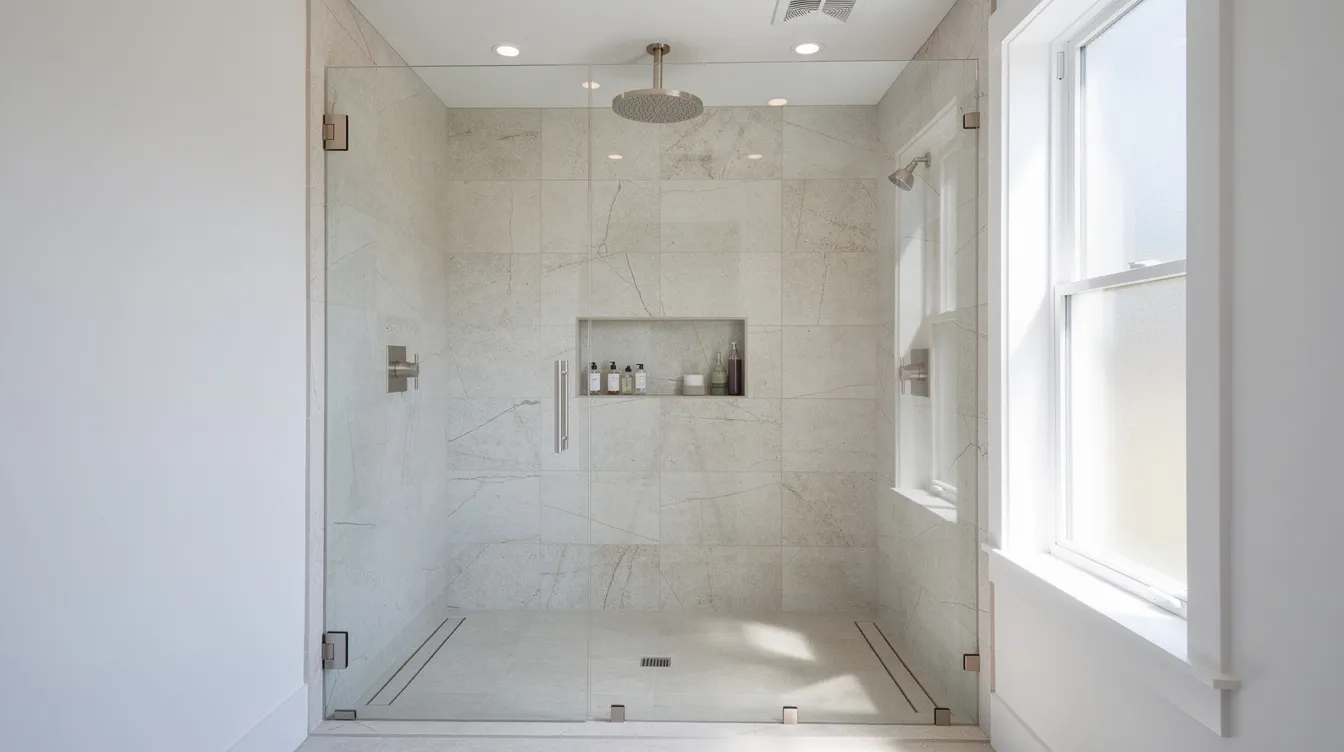
How to Choose the Right Material for Your Walk-In Shower
Choosing the right material for your shower wall means balancing your budget, how frequently you’re willing to clean, and what potential buyers expect. If you live in an area with high humidity such as Gulf Breeze, Pensacola and Navarre, anything below 70% is pretty hard to find. If you’re on the coast, salt air could chew through cheap sealants. If you have hard water there will be mineral deposits on every surface.
Here are the decision factors I walk homeowners through before we pick anything:
-
Moisture resistance: non-porous surfaces (acrylic, solid surface, porcelain) handle Florida humidity better than unsealed natural stone or bare cement grout
-
Mold and mildew risk: fewer grout lines mean fewer places for mold to take hold
-
Cleaning effort: grout free systems need a wipe-down; traditional tile needs scrubbing and resealing
-
Style and resale value: tile offers the most design options; solid surface signals “move-in ready”; acrylic reads as builder-grade in higher-price homes
-
Expected lifespan: porcelain tile lasts 20 to 30+ years; acrylic panels run 10 to 15 years; PVC can be shorter
-
Aging-in-place compatibility: solid panels and tile both anchor grab bars securely
Our family has built its reputation by providing quality and durability in every phase of construction. Each type of wall system, from ceramic and porcelain tile to large format porcelain panels, solid surface and cultured marble to acrylic and PVC, has its own particular advantages and requirements. Shower wall panels can be installed considerably faster than traditional tile and often with less effort and mess. If you’re torn between tile, solid surface or acrylic shower wall options, we urge you to visit our showroom. You can see and touch physical samples of wall systems under consideration.
Ceramic & Porcelain Tile: Classic Look, Great Resale Value
Tile is synonymous with durability and long-lasting installation. Buyers know that in every price range above starter homes, a properly built tile shower in the primary bath indicates that someone invested in the space. When porcelain tile meets the ANSI A137.1 standard at 0.5% or less water absorption, it becomes one of the most water resistant wall materials available for wet areas.
Tile gives you more customization–more colors, patterns, styles, and shapes (subway, mosaic, plank, hex, large, rectangles, accent bands, and built-in niches) than virtually any panel system. And unlike the faux tile look some manufacturers create with acrylic and PVC, the real thing never fools you up close.
What tile does well:
-
Porcelain tile offers high durability and can last for decades if installed correctly
-
Traditional tile can last for decades with proper maintenance
-
Huge variety of sizes, textures, and finishes to create a focal point in your bathroom space
-
Strong buyer perception in mid-to-high resale markets
Where tile gets harder:
-
Tile installation is labor-intensive and requires professional skills; expect a multi-day project
-
Tile typically requires grout maintenance to prevent mold
-
Grout lines in tile can trap moisture and lead to leaks if not sealed properly
-
Tile requires regular grout cleaning and resealing, especially in high use bathrooms
How Much Does a Tiled Walk-In Shower Cost?
A tiled walk-in shower commences at around $3,000 to $6,000, assuming three walls are surrounded with tile, which is professionally installed… The cost of materials alone for surrounding 80 to 120 square feet of shower walls and floor using porcelain tile will be somewhere in the neighborhood of $960 to $2,160. A tiled shower may add value to your home,…
Large-Format Porcelain Panels: Minimal Grout, Maximum Impact
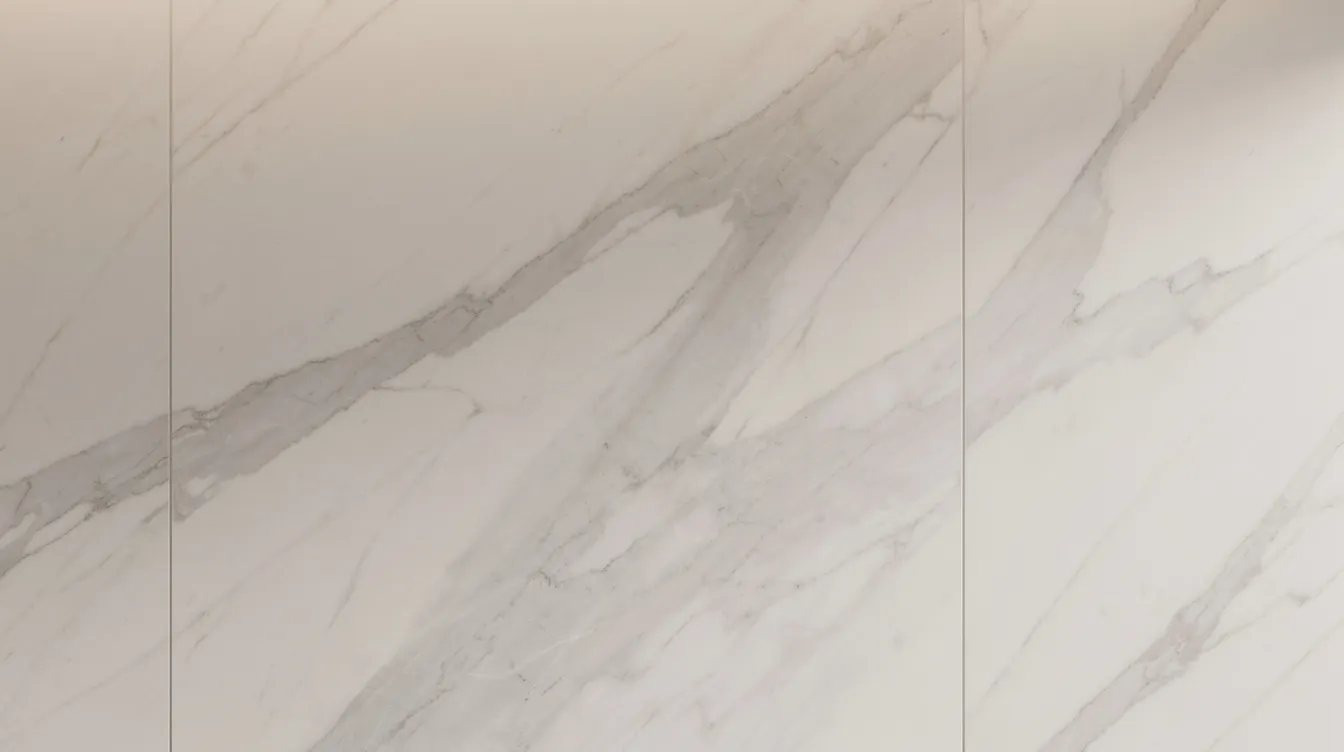
Large format porcelain panels are oversized porcelain slabs that can be as wide as 4 to 5 feet and up to 10 feet tall. When used to cover shower walls, large-format porcelain panels have very few seams. In addition to almost eliminating grout lines, this can mean less scrubbing and a cleaner visual appeal over time.
Key strengths:
-
Near grout free finish with minimal joints; soap scum and mildew have fewer places to hide
-
Non-porous, stain-resistant, scratch-resistant porcelain surface
-
Available in marble-look, stone-look, and concrete-look patterns that create a modern design without natural stone maintenance
-
Strong buyer appeal in upscale neighborhoods; homes with these panels often list faster
What to watch for:
-
Panels cost roughly $5 to $15 per square foot for standard options, with premium marble-look versions running $20+ per square foot before labor
-
Walls must be dead flat; any waviness in the substrate shows through immediately
-
Cutting and handling requires specialized tools and experienced installers; this is not a DIY installation project
-
A damaged panel means replacing a large section rather than swapping a single tile
In addition to looking wonderful in a primary bathroom, this option can add comfort and value for homeowners planning to stay in their home for 10 or more years. While the wall panels don’t come cheap, their beauty and minimal maintenance deliver a payback over time.
Solid Surface Surrounds: Corian, Cultured Marble & Similar Systems
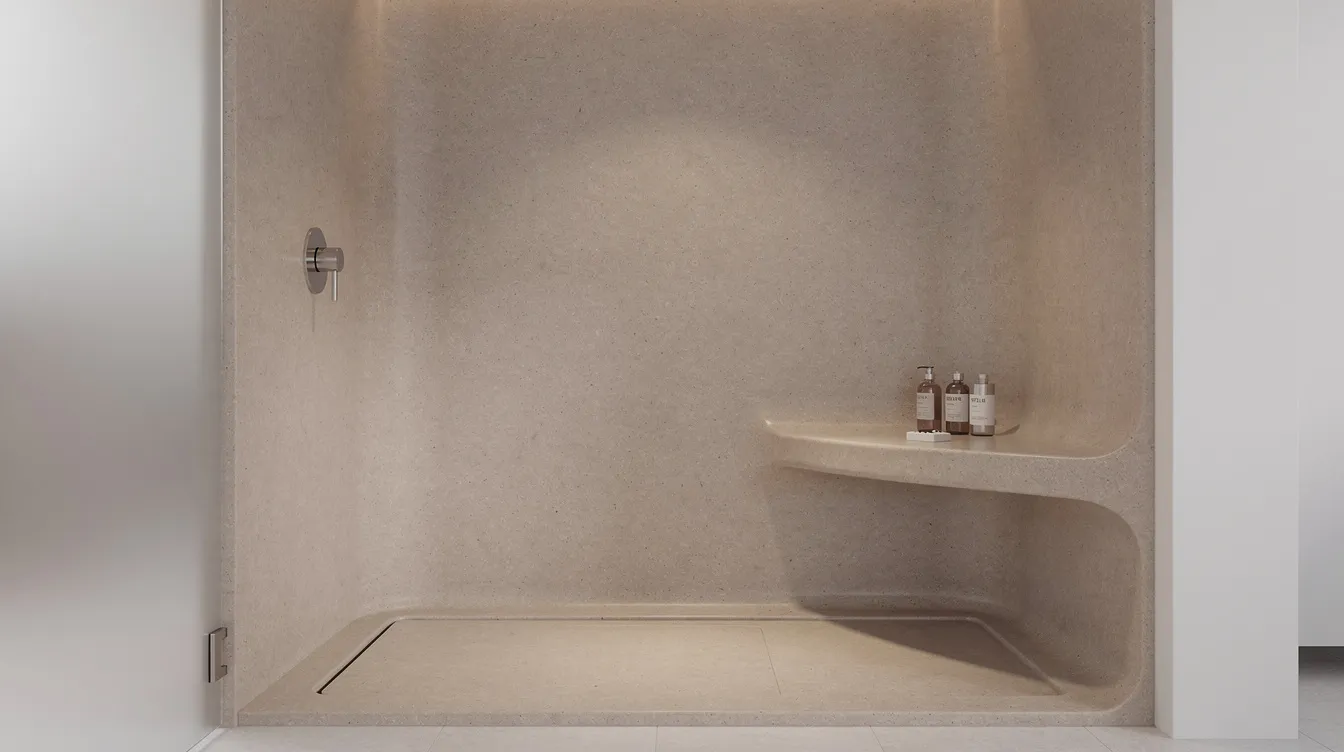
Solid surface is a thick, non-porous panel made of resins blended with mineral fillers cast or pressed into sheets that run through the full thickness, not hollowed out or just coated like acrylic. The main types are:
-
Corian-style solid surface: premium, repairable, comes in matte or low-gloss finishes; minor scratches can be buffed out
-
Cultured marble: stone dust and resin with a gel coat finish; cultured marble panels are durable and easy to clean
-
Stone-resin composites: newer blends that mimic natural stone without the porosity
Thanks to solid surface panels, it’s easier than ever to create a seamless, grout free finish in a shower. And because they are non porous throughout, they resist mold, mildew and staining. These panels are easy to clean, requiring only a wipe down with mild soap and water for daily maintenance. With proper care, they’ll last 20 years or more. Curbless showers or corner configurations can be custom fabricated with solid surface panels.
Solid surface remains a luxury upgrade buyer wants with low maintenance. Fixtures with solid surfaces are viewed as higher value than those with acrylic or natural stone. In humid climates like Florida, potential buyers appreciate the no-grout systems. Well-cared-for solid surface systems don’t look dated in listing pictures, so more likely to retain value.
While solid surface shower panels boast many great quality and performance features, they’re not without some downsides. First and foremost, solid surface panels can be heavy, so professional installation is recommended. They also tend to cost more than basic acrylic or PVC wall panels. Finally, they offer fewer patterns compared to tile, although this selection has improved in recent years. Ultimately, however, for a solid surface shower that will look clean even at resale and offers a great payoff for the hours spent on maintenance, solid surface is hard to beat!
Acrylic Shower Panels: Budget-Friendly & Low Maintenance
Acrylic shower panels are thin, lightweight sheets of plastic. They are typically between 3 and 5 mm thick. To fabricate, acrylic is usually vacuum-formed over molds, and reinforced with fiberglass or foam core backing. Acrylic shower kits include trims and adhesives.
What acrylic does well:
-
Acrylic panels are lightweight and easy to install; acrylic shower panels can be installed in a day, making them ideal for fast installation on rental turnovers or quick bathroom updates
-
Acrylic panels are non-porous and easy to clean; no grout lines to scrub
-
Acrylic panels are generally less expensive than tile or stone, often costing roughly half the price of a comparable tile job
-
Available in a range of colors and faux tile or stone patterns
-
Acrylic shower panels typically last 10 to 15 years with proper care
Where acrylic falls short:
-
Acrylic offers minimal design flexibility compared to tile; up close, the patterns don’t match real porcelain or stone
-
Low-quality acrylic can yellow, flex, or lose gloss over time; in Florida humidity, adhesives behind cheap panels can deteriorate after about four years
-
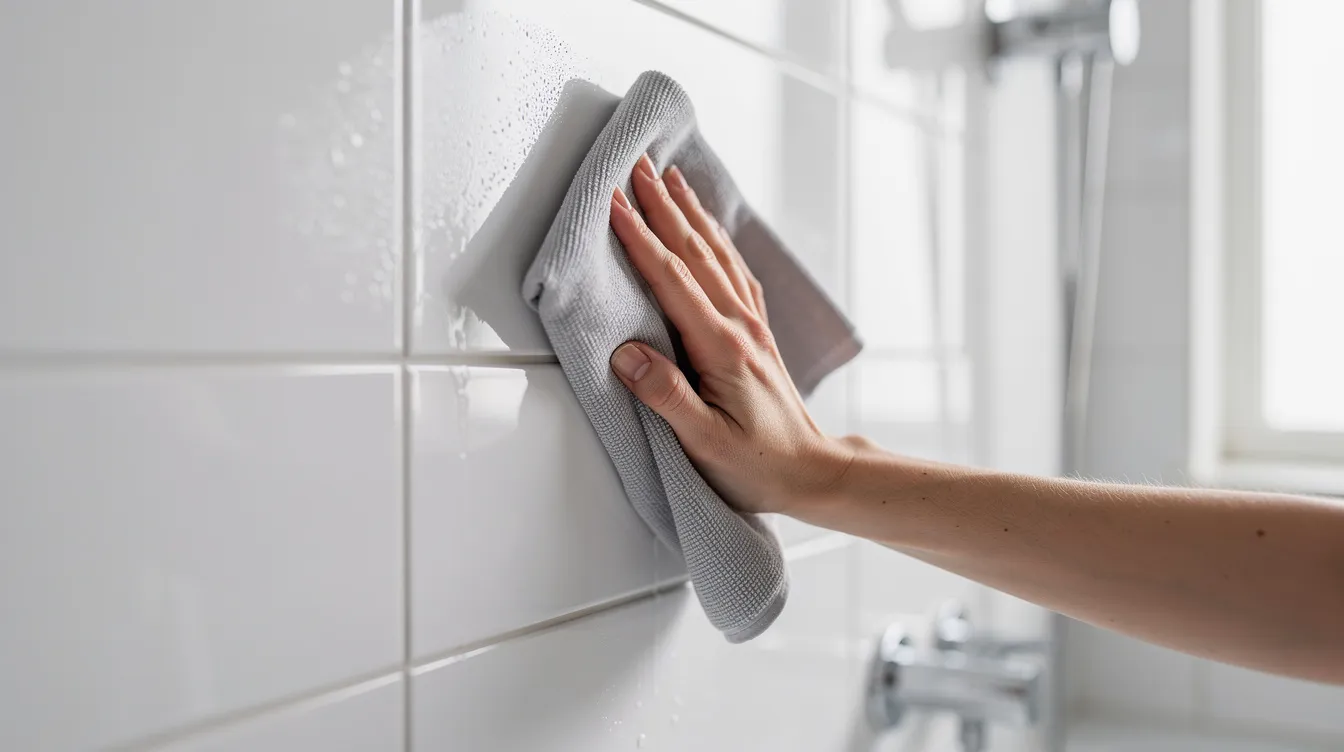
Surface scratches if you use abrasive cleaners; stick to mild soap or non-abrasive sprays
-
Heat resistant but not heat-proof; keep direct heat sources away
When the resale value of your home is a concern, acrylic panels are great for starter and mid-range homes, but don’t have the same feel as porcelain tile or solid surface panels. Academy Construction uses higher-quality acrylic panels for projects where low disruption and a budget friendly timeline is required in Gulf Breeze or Navarre, especially in secondary baths or guest bathrooms. When it comes to remodeling your bathroom space, we’ll help you find the answer!
PVC & Other Waterproof Panel Systems
PVC wall panels, FRP, and laminated composite boards are the most budget friendly options for grout free shower walls. They fit together in tongue-and-groove or interlocking style and can simply be clicked into place over the existing wall or backer.
Strengths:
-
Wall panels eliminate grout lines, reducing mold buildup in the shower space
-
Quality wall panels are designed to be fully waterproof when seams are properly sealed
-
Easy installation; some PVC panels are genuinely DIY friendly for handy homeowners
-
Fiberglass panels are lightweight and inexpensive, good for budget remodels
-
Shower wall panels can be installed in one day in most cases
Best uses:
-
Budget-conscious remodels, secondary baths, guest suites, or short-term rental properties
-
Tub surrounds where fast turnaround matters more than luxury texture
-
Hospitality settings or investment properties prioritizing easy cleaning and durability
Limitations:
-
Lower-end PVC can look “plasticky”; fewer design choices than tile or stone
-
Budget panels may warp or discolor in a few years, especially in Florida’s heat and humidity
-
Buyers in higher-priced homes expect more substantial shower materials in the primary bath
Shower wall panels made of PVC are fine for secondary baths, but I would never use these in a primary bath. Instead, consider the beauty and lasting quality of a tile or solid surface shower wall.
Natural Stone: Marble, Granite, Slate & More
People love genuine natural stone for shower walls, like marble, granite, slate, or travertine, because of the visual appeal. No other material can recreate the veining and color variation found in real stone.
Keep in mind, each of these stones will behave differently in a wet and soapy environment. Marble etches when exposed to acid, such as a fruit-based cleaner or body product. Travertine streaks and holds moisture in the pits found in its surface. Slate may become chipped along edges through wear. And while granite holds up the best of any stone, it still needs to be sealed.
Maintenance realities:
-
Stone is porous and needs sealing every one to two years, sometimes more frequently in coastal Florida
-
Owners need to squeegee after every shower and avoid acidic cleaners
-
Stains set quickly on unsealed surfaces; soap scum is harder to remove from textured stone than from polished porcelain
Cost and installation:
-
Natural stone runs $15 to $22 per square foot installed in the Pensacola Bay region, including sealing
-
Heavier than tile or panels; requires reinforced backing and precise cutting
-
Professional installation is non-negotiable for stone
In general, the resale value of stone, especially in upscale homes, is only appreciable if the stone is in excellent condition. If you have neglected your stone in the past, stained, etched, or flaking stone will lower the buyer’s impression more than a clean solid surface bathroom or a porcelain shower. Large format porcelain panels with a printed marble-look.
Maintenance, Cleaning & Long-Term Performance
For any shower material, figure on the real cost in cleaning time and repairs over 5 to 15 years, not just how it looks when you list the home. Seams and joints will need periodic inspection and replacement with all the materials.
Maintenance levels by material:
-
High: small-tile installations with many grout lines, unsealed natural stone
-
Medium: standard ceramic tile with quality grout and sealer, cultured marble with high-gloss finishes
-
Low: solid surface, quality acrylic shower panels, PVC panels, large format porcelain panels (all maintenance free of grout scrubbing)
Cleaning tips that actually matter:
-
Use non-abrasive cleaners on acrylic and solid surface; harsh chemicals shorten the life of caulk and sealants
-
Seal grout every one to two years (or use epoxy grout, which resists staining without resealing)
-
Squeegee stone and glass shower doors after each use to prevent mineral buildup from Florida’s hard water
Looking at flaws in a home buyers, such as visible mold, missing caulk or stained grout, buyers may choose to factor these into the offer with a lower bid or ask for credits to repair. At Academy Construction we install moisture resistant backer boards under our shower systems, then add waterproofing membranes. Proper installation, along with venting strategies, heats your mold risk in humid Florida climates. Most shower wall panel failures can be avoided with proper installation.
Costs, Installation & Choosing a Local Florida Contractor
Expensive but usually worth it, adding labor, waterproofing, plumbing changes, and a new shower base and glass shower doors make these tile options expensive. In order of most to least expensive, the main options are:
Without tile, the cost of updating and remodeling a bathroom can be kept down. But expensive options — tile in particular — can make a significant impact on the look and feel. Feel free to contact us for more information!
|
Tier |
Materials |
Typical Installed Range |
|---|---|---|
|
Entry |
PVC panels, basic acrylic, fiberglass surrounds |
$1,500 to $3,500 |
|
Mid-range |
Better acrylic shower panels, solid surface systems, good porcelain tile |
$3,000 to $6,000 |
|
Premium |
Large format porcelain panels, natural stone, custom tile with niches and benches |
$4,000 to $9,000+ |
Many acrylic and PVC kits can be enjoyed by handy homeowners, but the solid surface, cultured marble, large format porcelain, and fully tiled showers require professional installation. Across the board, installation complexity is influenced by product weight and coastal Florida demands, including sloping, waterproofing membranes, and molded resistant substrates.
If you’re a homeowner in Gulf Breeze, Navarre, Pensacola, Milton, Mary Esther, or Fort Walton, we’d welcome the chance to walk you through options. Contact Academy Construction at 850-260-3360 or [email protected] for a free walk-in shower consultation and quote. We provide transparent, line-item pricing so you know exactly where every dollar goes.
Which Walk-In Shower Wall Material Is Best for You?
Here’s how I match materials to homeowner profiles:
-
Busy family who hates scrubbing grout: solid surface panels or quality acrylic; both offer easy cleaning with a grout free surface
-
Planning to sell in 3 to 5 years: porcelain tile or large format porcelain panels for the strongest resale value
-
Tight budget, secondary bath: PVC panels or fiberglass; they protect value without a large spend
-
Staying 10+ years, wants luxury: large format porcelain slabs or natural stone if you’re committed to the upkeep
-
Aging-in-place remodel: solid surface or tile; both anchor grab bars securely and handle daily use in high use bathrooms
There’s no single best material for your shower walls. The best choice for you depends on many factors including, budget, maintenance habits and long term performance. But if you’re in the Pensacola Bay area, please remember that local buyers pay close attention to the condition of the primary bath and walk-in shower of listings in similar neighborhoods.
Photos of showers you like — whether they’re made from tile, stone, acrylic panels, or solid surface — will help you narrow down options during a free in-home consultation with Academy Construction. It’s helpful to have an idea of what you like, but our experts guide Florida homeowners to the perfect fit for their bathroom, climate, and budget. A well-designed, moisture resistant, low maintenance walk-in shower is a smart investment.


