

Curbless vs Low-Curb Walk-In Showers: Which Is Better? (And What About Resale Value?)
Quick Answer: Curbless vs Low-Curb & How Each Impacts Resale
While any shower update will fetch a decent return, curbless and low curb showers offer more for resale than a traditional tall curb or tub combo. Most buyers agree, even in 2026. Whether in Gulf Breeze, Pensacola, or anywhere in between, homeowners appreciate the updated style and functionality of walk in showers over a high step-over, returning 60–70% of the remodel cost at resale (when done right, by a pro). Curbless showers are money well spent on higher-end or forever-home renovation projects, while low curb ones give mid-range homes a strong value play.
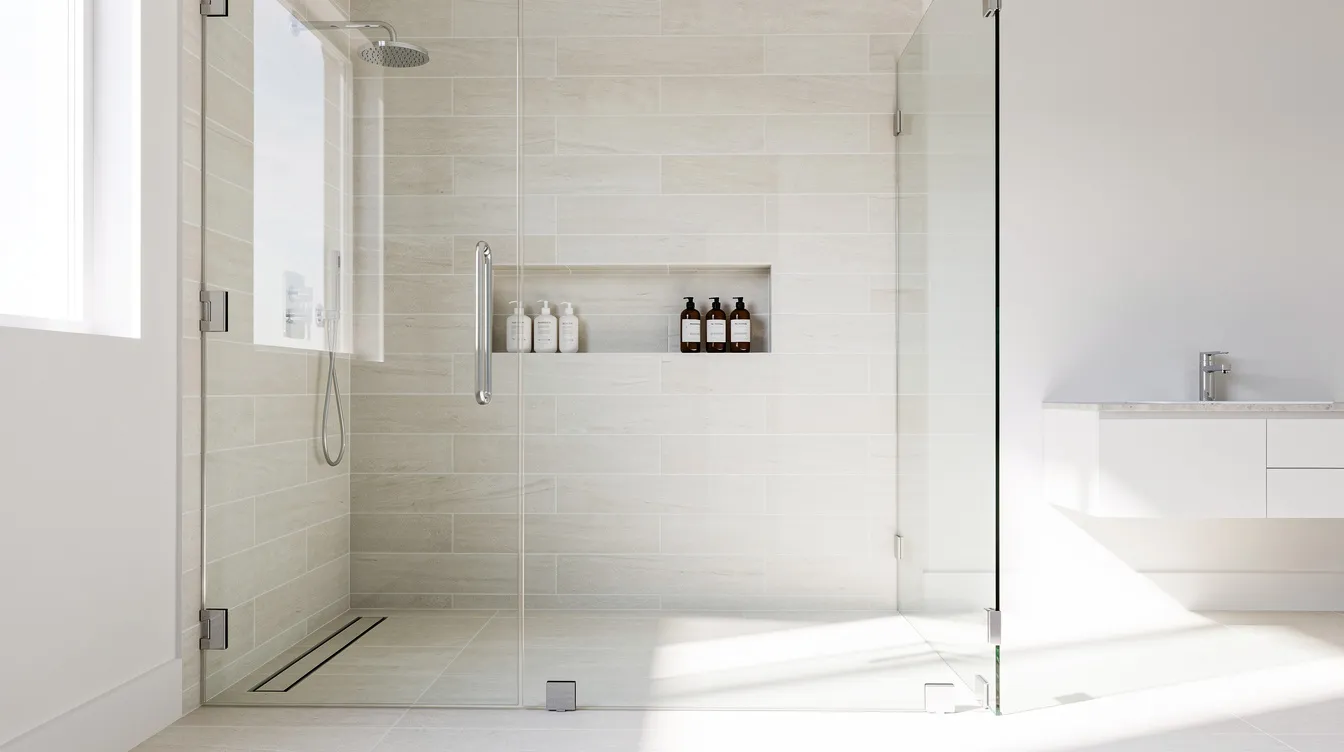
What’s the difference? A curbless shower has a “zero” threshold, where the bathroom floor flows straight into the shower floor, without a lip at all. The drainage is usually a linear drain and the whole works is tiled continuously. A low curb shower has a short, raised threshold, usually 1 to 3 inches high, so it’s considered a “walk-in” while providing some water containment.
Curbless and low-curb showers aren’t just easier to enter than traditional bathtubs. They can make your home more valuable, too. Academy Construction designs and installs both types of showers throughout Gulf Breeze, Navarre, Pensacola, Milton, Mary Esther, and Fort Walton. But if you’re trying to decide which will work better in your bathroom — and your budget — we’ll break down the pros and cons of each type of shower.
Curbless vs Low Curb Showers: The Core Differences
Here’s what actually separates these two shower types in plain terms:
-
Curbless shower: Zero-entry. The entire bathroom floor transitions into the shower area without any step or lip. A curbless shower has no threshold, allowing seamless entry. The shower floor slopes gently (about ¼ inch per foot) toward a linear drain along one edge or at the opening. This creates a seamless transition that makes the whole space feel connected.
-
Low curb shower: A low curb of roughly 1½ to 3 inches at the entrance. Low-curb showers typically have a threshold of 1.5 to 3 inches. Still a true walk-in, but that shallow lip gives you a physical barrier to keep water inside the shower footprint. You can use either a center drain or a linear drain.
-
Traditional curb shower: The old standard with a 6–8 inch threshold. These feel more dated and create a real tripping hazard, especially in Florida retirement and family homes where accessibility matters.
In curbless designs, to achieve the proper slope, the floor is recessed or built up, which requires major structural work. Low curb showers can sit right on top of the existing subfloor. They’re the same finishes—like stunning porcelain tile, pan-free grout wall systems, and frameless glass doors—that you see in curbless showers. And both can achieve that coastal Florida style that works so well here.
Accessibility, Aging in Place, and Everyday Safety
If you or family members deal with mobility challenges-or you’re planning to age in place over the next 10–20 years-this section matters most.
Simple, easy, curbless showers are simply the easiest showers to access. No step over the curb to enter the shower makes access smoother and easier for all — wheelchair users with seamless access, those who have walkers or knee, hip, or balance issues. Perfect for aging in place designs, curbless showers add bathroom accessibility for individuals with mobility challenges and provide the ultimate safety feature if you need ADA compliance.
Low curb showers are a significant upgrade over a tall curb shower with a 2-inch lip. The risk of tripping compared to a 6–8 inch step into an old shower is dramatic, and they can work great for homeowners without severe mobility issues.
For both options, I always recommend:
-
Grab bars mounted into solid blocking in the walls-not just screwed into drywall
-
Slip-resistant tile or grout-free bases on the shower floor
-
Mobility aids like fold-down benches when needed for medical reasons
Barrier free showers are becoming a standard feature in homes with multi-generational households, from the Gulf Coast to Gulf Breeze and Navarre where retirees think they’ll stay put. Yet, with a bit of thought, a well-designed low curb shower meets all the safety needs of most homeowners, and grab bars can always be added.
Aesthetic Appeal and How Each Option Makes the Bathroom Feel
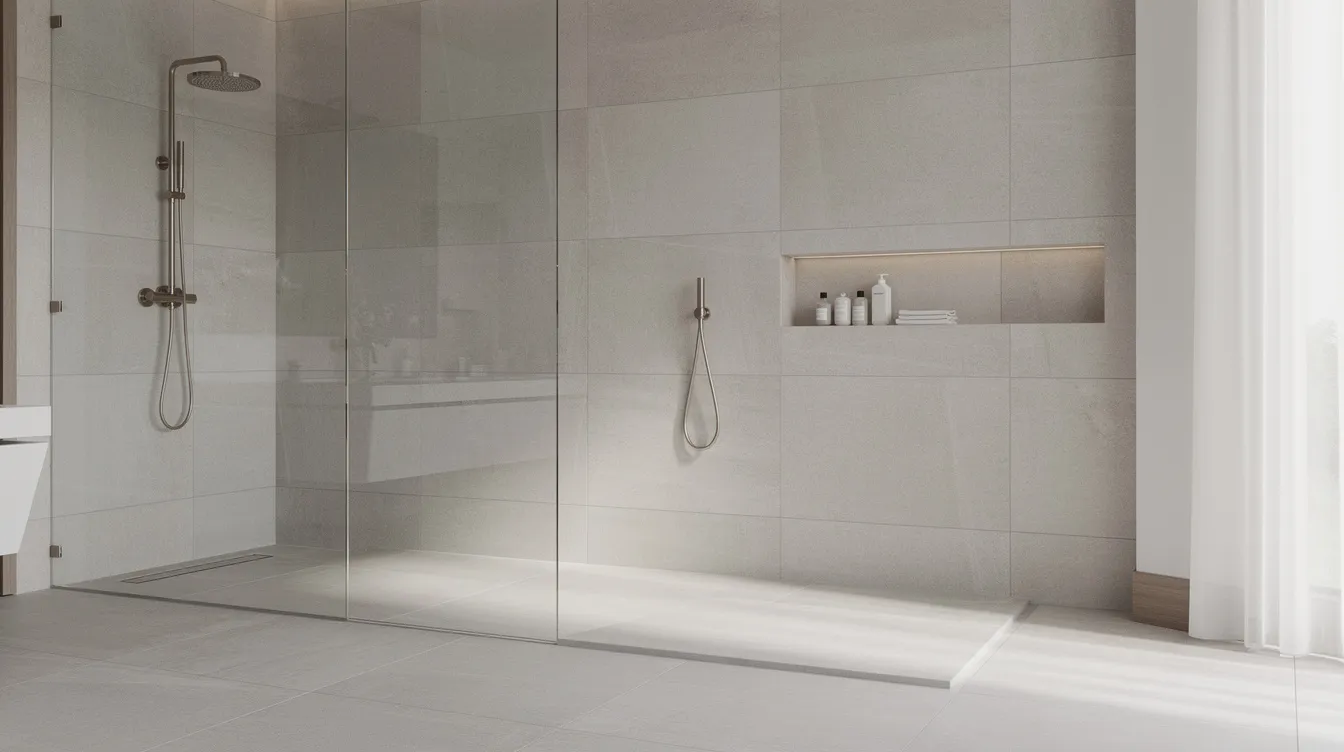
Curbless showers connecting with the main bath floor are more a matter of visual appeal than anything else. This design strikes most of us as attractive because it runs the floor in unbroken to the shower. This layout makes the space look bigger, which may help if you have a smaller Pensacola bathroom, where any illusion of space (and openness) is key. Beyond that, curbless showers will always please anyone with creative bathroom design.
Low curb showers are the latest trend in modern bathroom design, replacing old tall curbs. Instead of a high barrier, homeowners are opting for a curb that’s only about 2 inches high. The curb is often finished with matching tile or stone for a clean look.
Here’s how each style works with popular finishes:
-
Both pair well with clear glass panels or a frameless glass door, light-colored tile, and simple hardware for that airy Florida coastal style
-
Curbless showers can be paired with large format tiles that run from the entire bathroom floor straight into the shower, minimizing grout lines
-
We often use large-format tile or grout-free panels in both curbless and low curb showers to visually “stretch” the room and cut maintenance
Perhaps it is their aesthetic appeal that prompts most new construction and design magazines to feature curbless showers, because low curb showers can be nearly as seamless with a low, narrow curb.
Construction, Subfloor Conditions, and Drain Choices
This is where the rubber meets the road in Gulf Breeze and Pensacola homes, and where I see the most confusion.
Curbless construction realities:
-
Curbless shower installation requires precise floor sloping for drainage. You need to recess the subfloor or build up the rest of the bathroom floor so the shower sits flush at the entry while still draining properly. This is easier on first-floor slab-on-grade or crawlspace homes than on second-story baths.
-
Curbless showers need a waterproof membrane extending 12–18 inches beyond the shower area to catch splash. That waterproofing has to be airtight-waterproofing systems in coastal climates like ours leave zero margin for error.
-
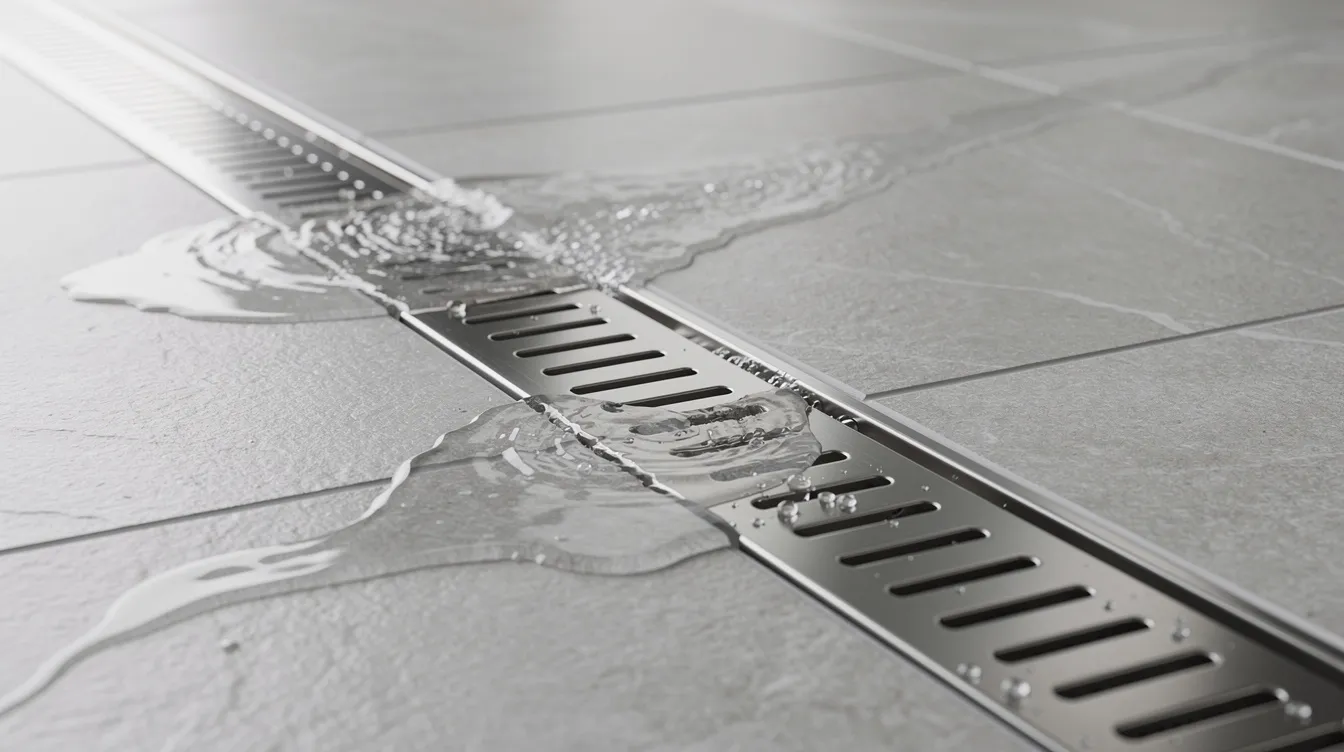
Curbless showers frequently use linear drains along one wall or at the opening. Linear drains allow single-direction floor slope and work better with large format tiles because you avoid the lippage issues that come with four-way slopes and small mosaic tiles.
Low curb construction realities:
-
Low curb showers do not require subfloor modifications for installation. You can often build directly on the existing subfloor with a prefabricated pan or mud bed.
-
Low-curb showers are easier to retrofit into existing bathrooms compared to curbless designs, and they can be simpler to install than curbless options due to existing structural layouts.
-
Waterproofing stays confined to the shower footprint, which reduces materials and labor.
You’re correct – not every bathroom can be designed curbless but it has nothing to do with aesthetic conformities or trends. Its based on the bathrooms layout – framed or slab, and other plumbing. Forcing the design where it doesn’t belong only increases installation costs. A bathroom or condo on second floor with low ceiling below or limited joist depth, is a difficult candidate for curbless design.
Keeping in mind that code requires about ¼ inch of drop per foot, and that you may not have this room if you’ve chosen a small shower — a low curb shower may be a practical choice.
Installation Costs and Budget Trade-Offs in the Pensacola Bay Area
Let me give you real numbers, not “it depends.”
In the Gulf Breeze–Pensacola market, curbless showers cost $1,800 to $3,500 more than low-curb showers of the same size and finish level. Curbless shower installation can be more complex and expensive than traditional showers. Here’s where that extra cost goes:
-
Subfloor modification: Recessing a slab or adjusting joists
-
Extended waterproof membrane into the main bathroom floor
-
Linear drain hardware: Costs more than a standard center drain
-
Extra tile labor: Creating precise slopes and a seamless transition takes more time
For a low curb shower, main cost items include:
-
Building the small curb itself
-
A conventional shower pan or pre-sloped base
-
Standard waterproofing confined to the shower footprint
-
Either a center drain or simpler linear drain layout
The cost to install a curbless shower in Florida typically ranges from about $8,000 to $16,000. However, you could also install a low curb walk-in shower for $6,000 to $12,000.
With low curb showers you can have a nice balance of style, safety, and budget in a bathroom. Curbless showers work best when accessibility is a primary concern or when you want a high-end look.
One of the things that I always recommend to homeowners is requesting an itemized quote for your bathroom project so that you can see the exact cost difference between curb or curbless in your specific project.
Water Management, Linear Drains, and Potential Drawbacks
Day-to-day, water behavior is one of the biggest differences between these two options-and where I see the most regret from bad installs.
The floor must slope correctly toward the drain, and the drain needs to be placed correctly on the floor. Waterproofing material must extend outside the shower footprint. When correctly built, curbless showers have the advantage of better water drainage. The main disadvantages of a curbless shower are due to water migrating into the rest of the bathroom. If the slope, drain placement, or layout of the glass is poorly planned, the water can cause damage by loosening the tile, rotting the subfloor, or creating mildew behind the walls.
Low-curb showers do provide a better physical barrier than curbless most of the time, particularly if they have a standard center drain instead of a linear drain. Assuming the surface is sloped correctly, the standard curb does a significantly better job keeping water in the pan.
Both styles benefit from:
-
Fixed glass panels or a glass door with a good sweep at the bottom
-
Carefully positioned showerheads to direct spray away from the bathroom entrance
-
Quality waterproofing-in humid coastal climates like Pensacola and Navarre, this is non-negotiable
Our showers have moisture-resistant backer boards, waterproof membranes, and quality drain assemblies, because we care about how it performs in the long run, not just how it looks. Fixing a badly waterproofed curbless shower will cost you far more.
Cleaning, Maintenance, and Long-Term Durability
Here’s a practical difference most people don’t think about until they’re living with the shower every day.
The absence of a curb eliminates corners and edges, where grime likes to build up. It’s easier to clean a continuous surface than one with a raised edge. That also means less scrubbing and lower potential for soap scum and mildew—especially with large-format tile or grout-free wall systems.
Low curb showers are easier to clean than either deep tubs or showers with tall curbs, but having that extra edge means an extra area to wipe down and caulk.
For both options, I recommend:
-
Squeegeeing glass after each use
-
Keeping the linear drain or strainer clear of hair and debris
-
Inspecting caulk and grout lines once or twice a year
-
Good ventilation-an exhaust fan rated for your room size, especially in Florida’s humidity
-
Heated floors aren’t common here, but slip-resistant flooring and quality grout are essentials
Our curbless and low curb showers are outfitted with a water resistant backing and waterproof membranes. Mold resistant materials are also used to avoid rebuilds in 8-10 years. It’s always much cheaper to use the right materials from the start than doing a last minute repair job.
Resale Value: What Local Buyers Actually Look For
Buyers in the 2025–2026 Pensacola Bay and Gulf Breeze markets are showing strong preference for updated walk-in showers, particularly in primary baths. AIA’s trend data shows that preferences for “stall shower without tub” and “doorless shower” are two of the fastest-growing categories. The curbless shower trend provides better perceived value than traditional tall-curb…
Here’s what I’ve seen in practice:
-
In mid-range homes, a well-built low curb shower with quality finishes and grab bars delivers nearly the same resale bump as a curbless shower. Buyers mainly care about walk-in access, updated style, and solid construction.
-
In higher-end properties-especially near the water-a curbless shower often has the strongest aesthetic appeal and helps the bathroom compete with new builds and luxury listings.
-
Bathroom remodels in the Pensacola area can raise home value by 3–5%, and walk-in showers are one of the features that contribute most.
Here’s the deal: if you’re building a new home (or updating an existing house) in a mid-range neighborhood, a clean low curb shower with good tile & glass door will give you the best return on investment. If you’re in a higher price tier ( or want to create a forever-home), consider curbless. As designers, we help our clients evaluate the decision based on what’s comparable in their areas and how long they realistically plan to live there.
How to Decide: Curb or Curbless for Your Specific Bathroom
Here’s a simple framework:
Choose curbless when:
-
Accessibility and aging in place are top priorities
-
Your bathroom sits on a first-floor slab or over a crawlspace that allows subfloor changes
-
Budget supports the extra work and you want that barrier free design
-
You’re adding features for a forever-home or luxury remodel
Choose low curb when:
-
The bathroom is upstairs, in a condo, or has limited structural flexibility
-
You want most of the safety and style benefits without higher installation costs
-
Small children are splashing or multiple people share the space-a low curb feels more forgiving
-
You’re remodeling to install an updated look for resale without overspending
Questions to ask yourself:
-
How long do you plan to stay? If this is your last house, lean curbless.
-
Is anyone in the home already dealing with mobility issues?
-
Are you remodeling a primary bath, guest bath, or vacation property?
-
What are your functional needs today versus five or ten years from now?
Schedule a free in-home consultation, so a local expert can inspect your subfloor, plumbing, and layout, walk you through your options, and give you clear, honest pricing.
Working with Academy Construction on Your Walk-In Shower Remodel
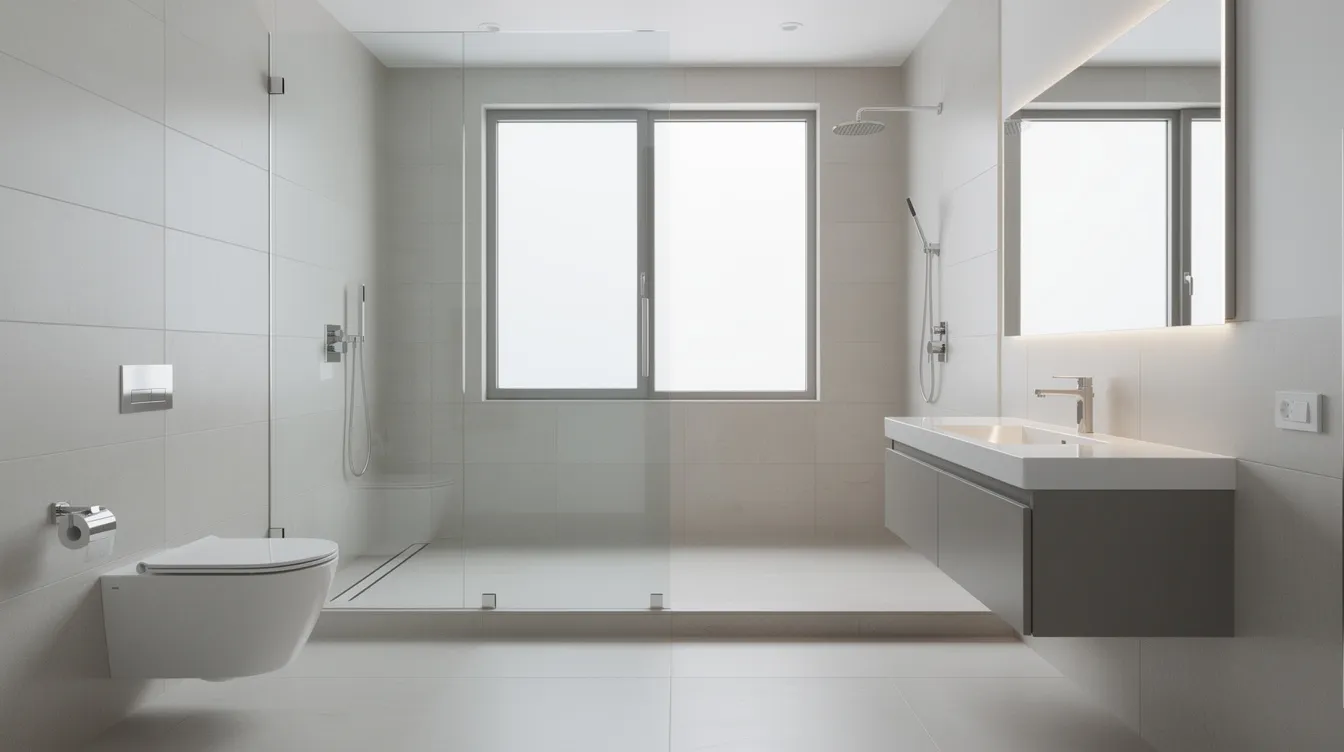
Academy Construction has extensive experience and expertise with shower remodels, tub-to-shower conversions, curbless showers, and low curb showers—the best choice for Gulf Breeze, Navarre, Pensacola, Milton, Mary Esther, Fort Walton, and the surrounding communities. For us, it’s not about following the trends but focusing on what works with moisture-resistant materials, sound waterproofing, and practical layouts that fit Florida.
A subfloor and plumbing review is essential, which is included in our free in-home consultation. Plus, you’ll receive an honest recommendation on curbless or low curb shower type that’s best for your bathroom, budget and resale goals. No pressure and no last minute surprises on pricing!
Academy Construction 506 Navarre St, Gulf Breeze, FL 32561 Phone: 850-260-3360 Email: [email protected]
We can usually schedule your appointment within a few business days.
Both a well-built curbless shower or a well-built low curb shower are great choices for upgrading from a tub or an old tall curb shower. The right one for you comes down your home’s structure, your family, and your plans for the future in the Pensacola Bay area. Contact us today and we’ll help you decide what makes the most sense for your bathroom!


