

Grout Free Shower vs Tile: Cost, Maintenance & Durability Compared (and Impact on Resale Value)
In humid Florida bathrooms, a grout free shower system usually wins on maintenance and long-term durability compared to traditional tile. It can also protect your resale value by sidestepping the mold, water damage, and inspection headaches that come with deteriorating grout. That said, a well-designed tile shower still appeals to buyers-as long as the grout is maintained. Neglected grout or hidden leaks behind tile can tank an inspection report and lower offers fast.
Products like mold free showers Sentrel wall panels keep traditional grout lines out of the equation entirely by using non-porous surfaces sealed at the seams instead of a grid of porous grout joints. At Academy Construction, we install both tile and grout free options across Gulf Breeze, Navarre, Pensacola, and surrounding areas. This comparison comes from real project experience in this climate, not theory. Below, I’ll break down cost, maintenance, durability, and resale impact with Florida’s humidity and salt air front and center.
What Is a Grout Free Shower (vs a Traditional Tile Shower)?
A grout free shower uses large shower wall panels-acrylic panels, cultured marble, solid surface materials, or engineered composites-paired with a compatible shower pan. Seams at corners and edges get sealed with color-matched silicone or caulk. Grout free panels eliminate the need for grout entirely. No grout mixing, no grout sealing, no grout cleaning schedule.
A tile shower is different. You set individual tiles-basic ceramic tile, porcelain, or natural stone-over a waterproof membrane using thinset mortar. Every joint between those tiles gets filled with cementitious or epoxy grout. The average tile shower has 200 to 400 linear feet of grout lines. That’s a lot of surface area that absorbs moisture and traps dirt.
“Grout free” doesn’t mean “seam free.” You still have corners and panel joints. But there’s no porous grout grid to scrub, seal, or replace. In 2026, we use several grout free systems including acrylic wall panels and cultured marble surrounds, sometimes installed directly over existing tile when the substrate is solid. Both options can look high-end when properly installed-but they age very differently in a hot, wet Florida bathroom.
Cost Comparison: Upfront Price vs 10–20 Year Ownership
Most homeowners compare initial quotes and stop there. That’s a mistake. The real story is the 10 to 20 year cost of ownership-what you spend on maintenance, repairs, and eventual replacement after the install crew leaves.
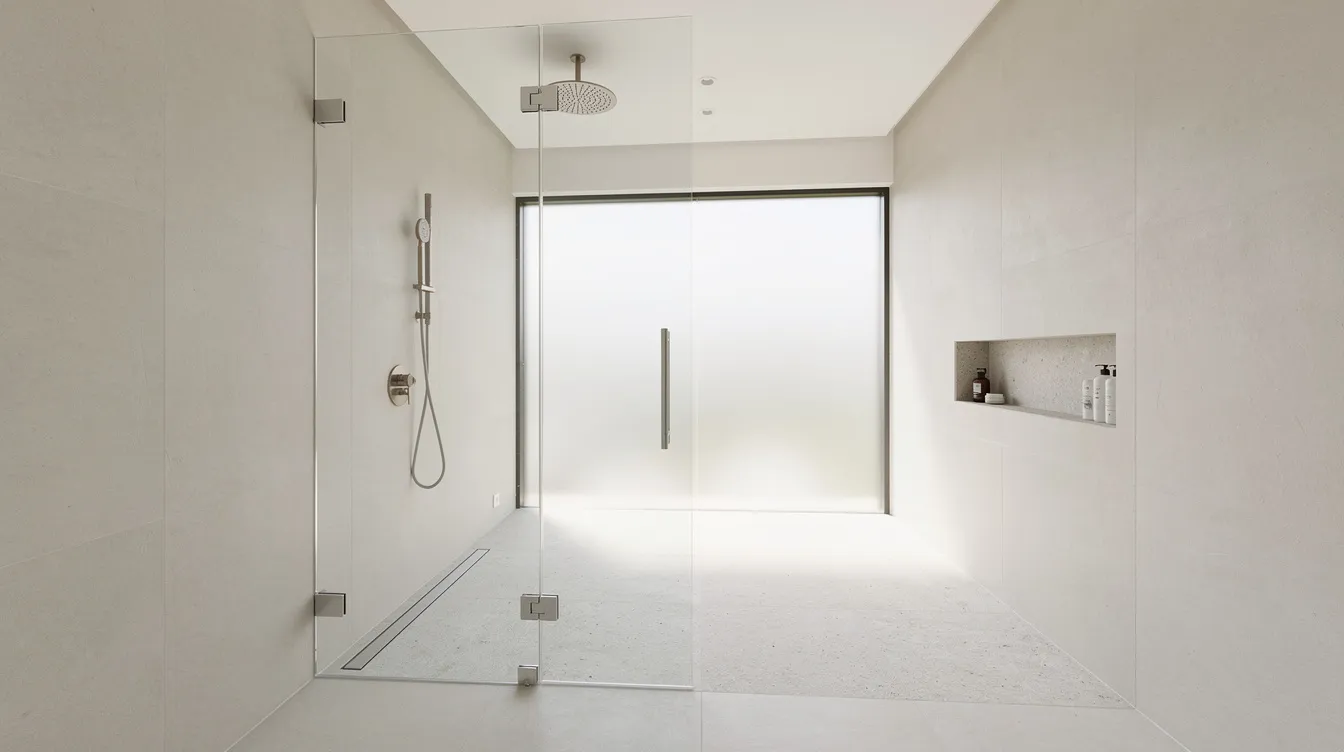
Here are realistic 2026 price ranges for the Pensacola Bay area. Tile shower installation costs range from $1,500 to $9,000 nationally, but locally a basic walk-in tile shower with standard porcelain or affordable ceramic options starts around $7,000 to $9,000 installed. A more elaborate custom tile shower with intricate tile patterns, benches, niches, or large format tiles runs $10,000 to $15,000 or more. Grout free systems typically cost $2,500 to $7,000 at the national level; locally, a full grout free shower system with acrylic panels or cultured marble runs $8,000 to $14,000 depending on size, wall material, and whether you’re doing a tub-to-shower conversion.
Why Tile Labor Costs More-and the Hidden Costs After Install
Tile installation is labor-intensive and typically carried out over several days. Your installer handles tile layout, cutting tiles to fit, setting each piece, waiting for cure times, then grouting and sealing. That means multiple return trips and higher labor costs. Panel showers install faster due to prefabricated sections and fewer on-site steps.
Over 15 to 20 years, ongoing maintenance costs shift the equation. Tile showers require annual resealing, increasing long-term costs. You’ll likely face regrouting or touch-ups between years 8 and 15. If waterproofing behind the tile fails, you could be looking at costly repairs-tearing out tile to fix rotted framing or mold remediation. Grout free systems require minimal maintenance, reducing long-term expenses. You’re mostly replacing caulk at seams every few years and using basic cleaning products.
A well-built grout free shower with modern design often recoups 50 to 70 percent of its cost at resale in Northwest Florida, comparable to quality tile work-but with far fewer surprise repair concessions at closing.
Maintenance & Daily Cleaning: Grout Free vs Tile in Real Life
Here’s what weekly and annual shower maintenance actually looks like for each option when you live in a place like Gulf Breeze or Navarre.
Tile showers typically need weekly deep cleaning of grout lines. You’re scrubbing soap scum, mineral deposits from our hard water, and mildew that loves to settle into traditional grout. Grout lines require resealing every year to prevent stains and moisture absorption. That sealing step alone takes a couple hours and most people skip it-which is exactly when problems start. Around year 8 to 15, grout may need full replacement depending on how well you’ve kept up.
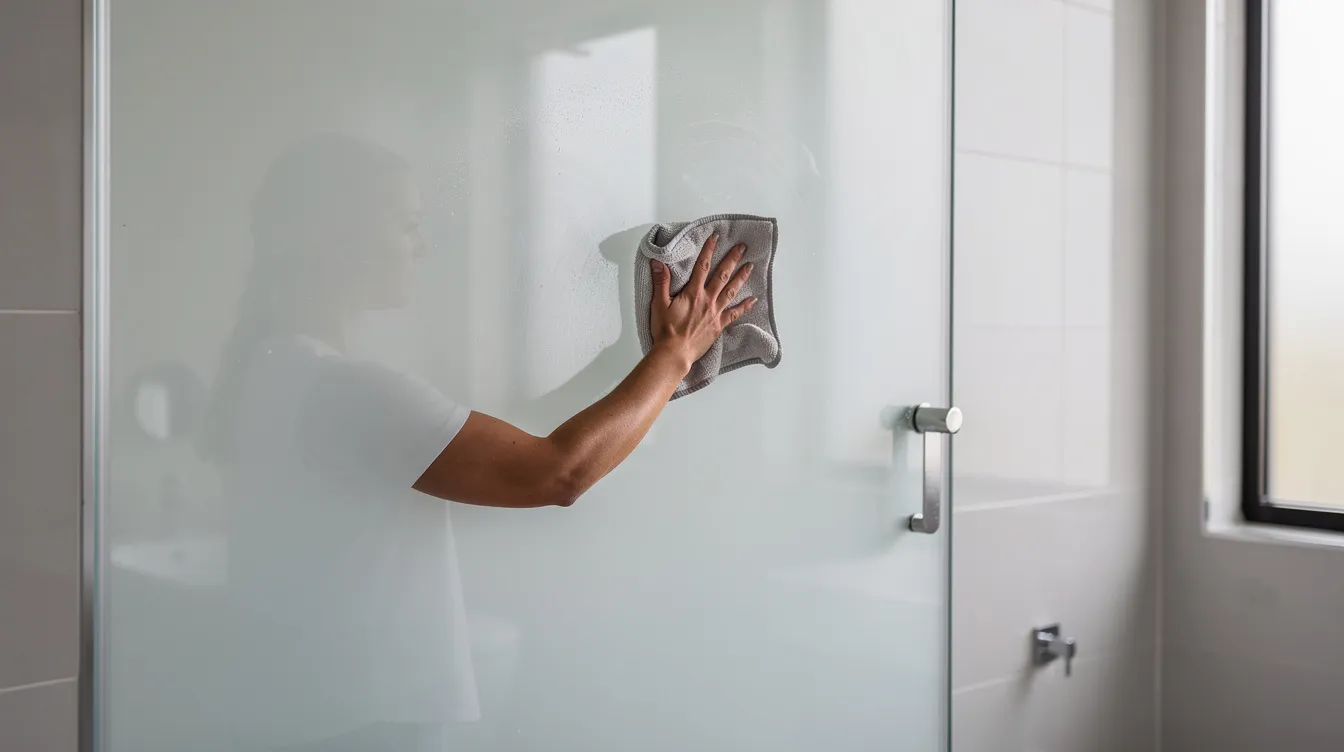
Grout free surfaces typically require minimal maintenance and are easier to clean. You wipe down smooth shower panels with a non-abrasive cleaner and a soft cloth. There are no grout lines to trap soap scum or harbor mildew. Your daily routine is simpler: a quick squeegee after your last shower of the day, and routine cleaning once a week takes maybe 30 to 45 minutes total.
Families with kids or aging parents in Pensacola and Milton often choose grout free options because they can realistically keep them clean with minimal effort. I’ve seen plenty of tile showers that looked great on install day and looked worn out within five years-not because the tile failed, but because nobody could keep up with the grout maintenance. Your maintenance preferences should drive this decision as much as aesthetics do.
Mold, Mildew & Moisture: Why Grout Is the Weak Link
Florida’s coastal humidity often stays above 70 percent year-round. Add daily shower use and a bathroom exhaust fan that’s undersized or never turned on, and you’ve got conditions that push any shower to its limits-especially in older Pensacola and Fort Walton homes.
Grout is porous and absorbs moisture, leading to mold growth. It soaks up body oils, soap residue, and water, creating an ideal environment for mildew to take hold. Grout lines in tile showers can lead to mold and water damage that goes unnoticed for years. I’ve pulled tile off walls during bathroom renovations and found soft, rotted studs behind what looked like a perfectly normal shower wall. The homeowner had no idea-just a faint musty smell they’d gotten used to. Water intrusion through cracked or deteriorating grout had been soaking the framing for years. Improper sealing or skipped waterproofing behind the tile made it worse.
Grout free shower systems work differently. Smooth, non-porous acrylic panels or cultured marble shed water at the surface. Unlike tile, there’s no porous grid absorbing moisture. Seamless panels eliminate grout lines, reducing maintenance and mold risk significantly. The limited joints are sealed with silicone-accessible, visible, and easy to replace when they show wear. Less moisture absorption means grout free showers are strongly resistant to mold growth, which helps you avoid red flags on home inspections and health concerns for sensitive family members.
Durability & Lifespan: How Long Do Tile and Grout Free Showers Really Last?
Both systems can last decades with proper installation and care. But they fail in completely different ways, and that distinction matters when you’re planning a shower remodel.
Traditional tile showers can last 30 to 50 or more years. Quality tile can withstand heavy physical wear and is resistant to scratching. Porcelain slabs are harder than granite and virtually waterproof on their own. The tile itself is almost bulletproof. But tile remains only as durable as what’s behind and between it. The grout and waterproofing layers usually fail first. Hairline cracks, hollow-sounding tiles, or crumbling grout often appear in the 10 to 20 year range, especially in heavily used primary showers. Tile showers can last 15 to 20 years before major updates are needed, and high-quality tile showers can last 20 to 30 years with proper maintenance. The Tile Council of North America emphasizes proper waterproofing systems for all shower types-and skipping that step is where I see the most expensive failures.
How Grout Free Systems Hold Up Over Time
Grout free systems can last 20 to 25 years with minimal maintenance. Acrylic panels and cultured marble are impact-resistant, non-porous surfaces that handle daily use well in Florida homes. Damage usually comes from harsh chemical cleaners or physical abuse-not water penetration through grout. Minor scratches on some panel products can be buffed or refinished without tearing anything out. Compare that to cracked grout in a tile shower, where sometimes you need partial demolition just to inspect the proper waterproofing layer below.
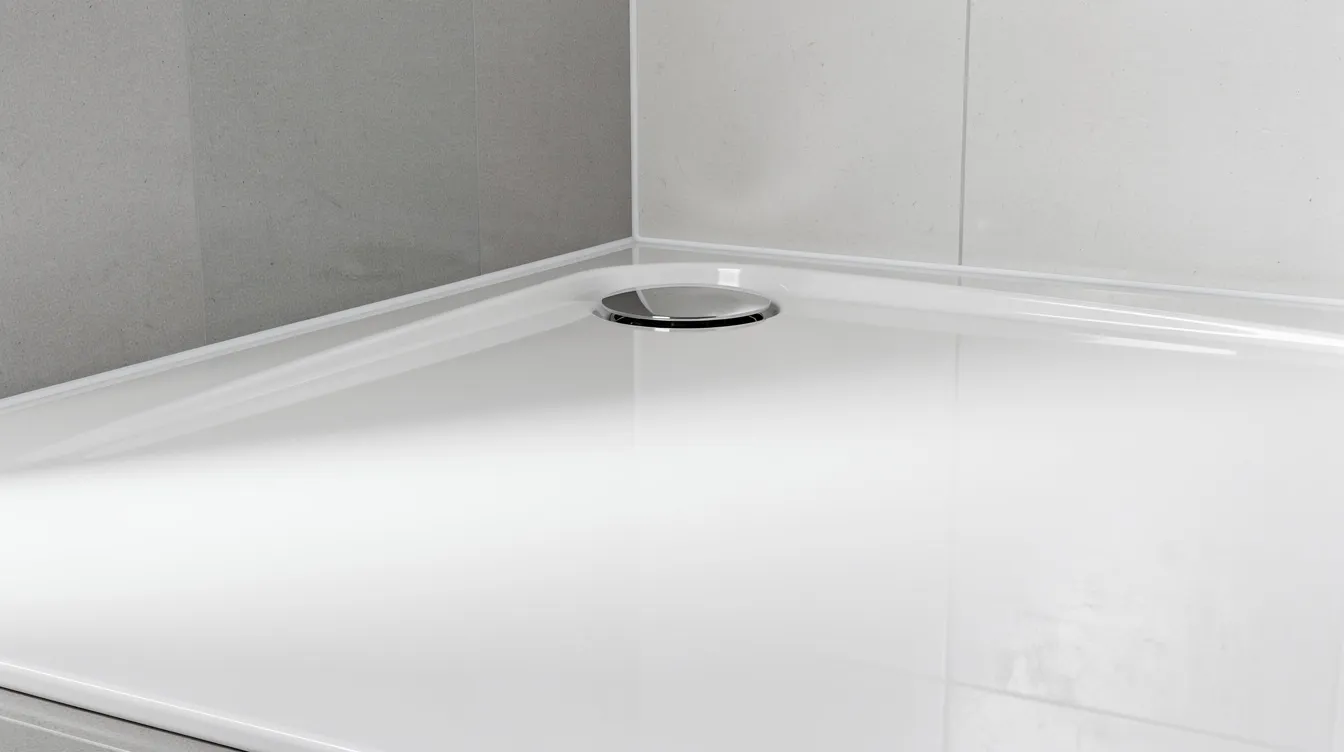
Floor pans tell a similar story. Tile pans with dozens of grout joints on the shower floor are especially vulnerable to moisture intrusion and subfloor rot. One-piece preformed pans used with grout free shower systems have fewer joints, fewer failure points, and a much lower leak risk over time.
Design & Aesthetics: Style Options for Both Systems
Both tile and grout free showers can deliver a functional shower that looks impressive. They just do it differently, and neither choice is about just aesthetics-it also affects how your shower space ages.
Traditional tile showers are more customizable in design. Tile showers offer unlimited customization options for unique designs: subway patterns, mosaics, herringbone layouts, niches, benches, and decorative stone insets. If you want intricate patterns and a truly one-of-a-kind shower, a custom tile shower is hard to beat. Large format tiles reduce grout lines by 70 to 80 percent compared to standard tiles, giving you a cleaner look while still using tile. Large format porcelain slabs create a seamless shower surface that bridges the gap between tile and panel aesthetics.
Grout free options bring a different kind of appeal. Grout free systems provide a clean, modern aesthetic without grout lines. Modern acrylic panels and solid surface panels mimic tile, marble, or stone convincingly. FlexStone panels replicate natural stone with a seamless finish. Large format panels and wall panel systems create a calm, spa-like shower wall without a busy grid of joints. Custom fit fabrication lets us scribe panels to out-of-square walls in older Gulf Breeze or Navarre homes. Grout free showers pair especially well with minimalist layouts, grab bars, and accessible designs, while tile often shines in highly customized luxury remodels. Buyers in the Pensacola Bay market respond well to both looks as long as the shower appears fresh, bright, and easy to maintain.
Installation Time, Disruption & Working Over Existing Tile
Bathroom downtime matters, especially in a one- or two-bath home. Here’s what each option actually looks like on a project calendar.
Tile shower installation typically takes 2 to 3 weeks. You’re looking at demolition down to studs, waterproofing, backer board, tile layout and setting, grouting, and final sealing. Tile installation requires skilled craftsmanship for waterproofing-every step has to be right. Specialized installation and multiple cure-time delays stretch the timeline.
Grout free systems can be installed in 1 to 3 days. In our Gulf Breeze and Navarre projects, most grout free installs wrap up in 2 to 4 working days, including removal of the old tub surround or existing tile where needed. Quick installation with large shower panels means less on-site cutting tiles, less waiting, and less mess. The water resistance of the panels means no extended cure times.
In some cases, wall panels can be installed over existing walls-specifically over solid, sound tile-after proper prep. But if there’s mold or damage behind the existing tile, everything comes out and the framing gets repaired first. Faster, cleaner installs make a real difference for families who can’t lose their main shower for two weeks, and for vacation properties near Pensacola Beach where every day offline is lost rental income.
Resale Value: How Each Option Looks to Buyers and Inspectors
Buyers evaluate a shower on three things: appearance, odor, and evidence of leaks or mold. A well-maintained tile shower with fresh grout and clean shower surrounds can support top-of-market pricing in areas like Gulf Breeze and Mary Esther. Tile offers that classic, high-end look that many buyers still expect in a primary bath remodel.
But here’s the flip side. Neglected tile-stained grout, missing caulk, loose tiles-shows up on inspection reports constantly. Buyers negotiate thousands off or demand repairs, directly cutting into your net sale price. I’ve seen sellers lose $3,000 to $5,000 in concessions because of grout failures that could have been prevented.
For grout free showers, buyers frequently appreciate the low maintenance, continuous surface look-especially retirees and military families relocating to the Pensacola area who don’t want to inherit a grout cleaning routine. A modern grout free system with a quality base and glass enclosure often returns a similar or better percentage of cost as mid- to upper-range tile work in secondary bathrooms and primary baths alike, while reducing the risk of last-minute concessions due to moisture issues. In 2024 through 2026, we’ve seen listings move faster when bathrooms show bright, updated, low maintenance showers instead of dated, stained tile.
Which Should You Choose for Your Florida Bathroom?
It comes down to your priorities. Traditional tile is best if you want a free shower design canvas with intricate patterns, enjoy hands-on maintenance, and plan to stay long term. A grout free shower is ideal if you prioritize low maintenance, a quick installation timeline, and predictable performance in Florida humidity.
Here’s a simple guide:
-
Choose grout free if you want a mold-resistant, minimal maintenance shower space and are comfortable with slightly higher upfront material costs for long-term savings. Grout free surfaces age predictably and keep your new shower looking clean with minimal effort.
-
Choose tile if design flexibility and a traditional, high-end look are your top priorities and you’re willing to commit to ongoing maintenance-or hire someone to handle grout sealing and cleaning for you.
-
Consider your manufacturing process and material: solid surface panels, acrylic, or cultured marble each have trade-offs in durability, appearance, and cost. We walk you through all of it during a consultation.
If you’re in Gulf Breeze, Navarre, Pensacola, Milton, Mary Esther, or Fort Walton, we offer free in-home consultations where we inspect your existing setup, evaluate moisture issues, and give you transparent quotes for both grout free and tile options.
Academy Construction 506 Navarre St, Gulf Breeze, FL 32561 Phone: 850-260-3360 Email: [email protected]
When properly installed, both tile and grout free shower systems add value to your home. But in humid coastal Florida, grout free showers often give homeowners the best balance of durability, ease of care, and resale peace of mind. Reach out for a custom plan-whether you’re planning a tub-to-shower conversion, a full bath remodel, or just replacing a tired shower that’s seen better days.


