

Best Walk-In Shower Flooring Options: Safety, Style & Maintenance
Quick Answer: Best Walk-In Shower Floors & Resale Value
Selecting flooring can make or break your new walk-in shower in terms of safety, style, and maintenance. A safe, attractive, low-maintenance shower floor is more appealing to buyers and can help you get a higher sale price. In fact, updated, slip-resistant walk in showers are one of the top features that attract buyers in the Pensacola Bay area.
This subscriber’s guide explores the best shower floor materials for humid Florida, slip risks, and how materials affect home value.
At Academy Construction, we work with homeowners designing walk in shower floors best suited to Gulf Coast humidity and with a focus on aging-in-place. Our years of experience working in these homes informs what you’ll read next.
Why Walk-In Shower Flooring Matters in Real Homes (Safety, Comfort & Resale)
Even though the shower floor gets more abuse than anything else in the bathroom, it has a completely different job than the bathroom flooring in the rest of the house. Constant exposure to water, soap, and shampoo from bare wet feet can wreak havoc if materials aren’t able to hold up.
Each year, there are about 234,094 nonfatal bathroom injuries reported in the United States. Around two-thirds of these injuries happen in or around tubs and showers. Most of the injuries reported are as a result of slipping on dangerously slippery smooth surfaces. Thus, selecting a good shower floor is necessary.
If your home is located in coastal Florida near Gulf Breeze, Navarre, Pensacola, Milton, Fort Walton, or Mary Esther, chances are buyers will prefer modern walk in shower designs. In humid climates, bathroom remodeling materials should be durable and easy to maintain. Buyers are more likely to list stronger and sell faster with homes that have updated shower floors.
Safety benefits of quality shower floors:
-
Reduced fall risk with slip resistant textures
-
Easier access for aging residents (low threshold entries)
-
Less mold growth when water drains properly
Resale and comfort benefits:
-
Stronger first impressions in listing photos
-
Fewer inspection red flags
-
Higher buyer confidence in overall home condition
Key Safety Features for Walk-In Shower Floors
A slip resistant bath flooring works best in your shower. When choosing a shower floor, you need to be aware of the industry measurement for slip resistance, wet DCOF, or Dynamic Coefficient of Friction.
The standard for wet DCOF is 0.42, but we recommend anything at 0.60 or higher for barefoot use in the shower.
The higher the Dynamic Coefficient of Friction rating, the more slip resistant and safe the shower floor will be, especially in wet areas prone to soap and water.
Here’s what I tell homeowners to look for in any walk in shower floor:
-
Surface texture: Matte or textured surfaces generally provide better traction than polished finishes. Skip glossy porcelain tile and polished natural stone unless they carry a specific slip rating.
-
Tile size: Smaller format tiles increase the number of grout lines, enhancing traction. Small mosaic tiles (2×2, 3×3, hex patterns) give you more grout lines per square foot, which means better grip underfoot.
-
Threshold: Low or curbless entries eliminate trip hazards-especially important for aging-in-place.
-
Drain slope: A properly graded floor prevents standing water and soap scum buildup, two things that make any surface slippery.
-
Proper sealing: Regular sealing of grout lines is necessary to prevent mold and staining, and it keeps the surface from developing slick film.
Slip-resistant flooring certainly helps reduce slipping hazards in wet areas or other high-traffic areas of your home. However, much of the safety of tiled walls or flooring is dependent on other features in the bath, such as grab bars, a built-in shower seat, and a handheld showerhead.
Top Walk-In Shower Flooring Materials (Pros, Cons & Best Uses)
In this post, I’ll do a comparison of the materials we most often install in Florida walk in shower projects for safety, style, maintenance, and cost.
While you can use many flooring materials throughout the rest of your bathroom, laminate flooring and luxury vinyl plank should not be used inside the shower because they don’t stand up well to heavy moisture. These categories work well in wet environments:
-
Textured porcelain tile
-
Natural stone tile (properly sealed)
-
Pebble and river rock mosaics
-
Solid-surface and engineered stone pans
-
Concrete and microtopping systems
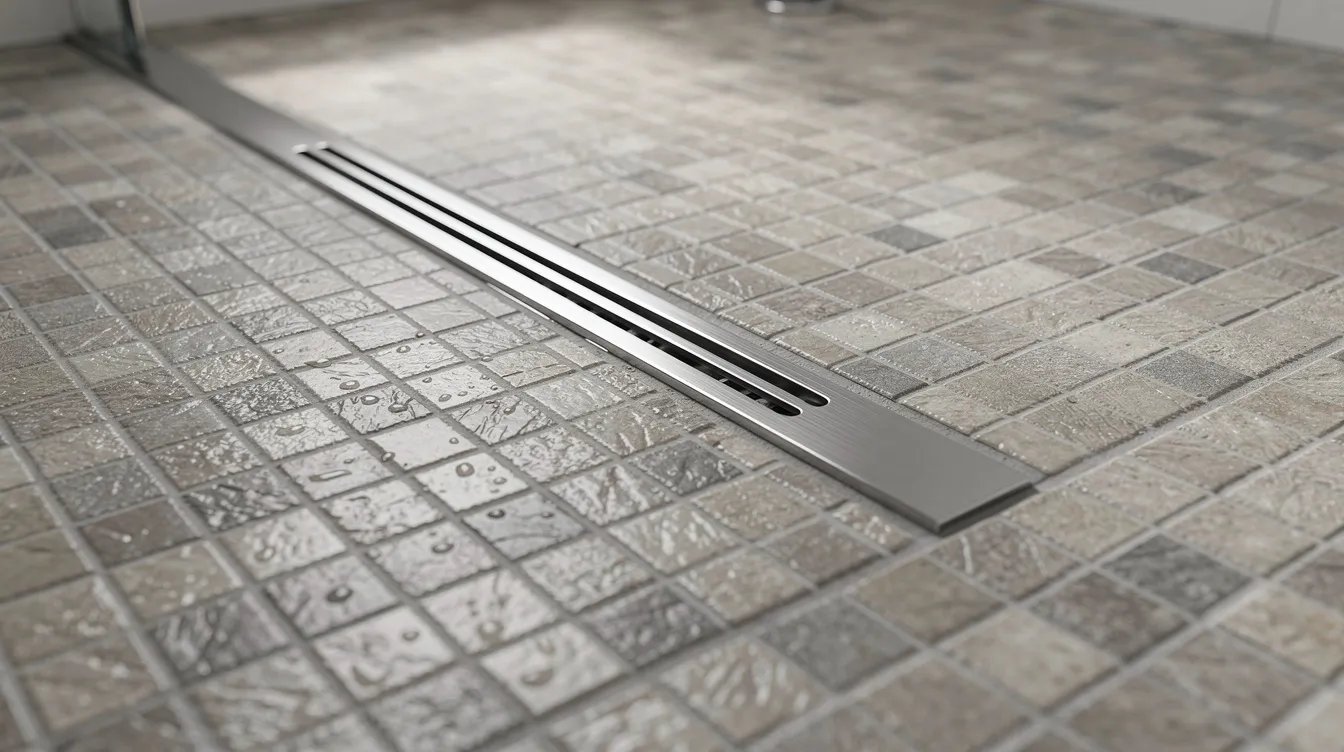
Textured Porcelain Tile Shower Floors
Porcelain tile is highly water-resistant and extremely durable, making it a suitable surface for walk in shower floors throughout the Pensacola Bay area. Thanks to its extremely low moisture absorption rates of below 0.5%, it stands up to Florida’s humidity and salt air like no other material. With endless design options available, porcelain tile has the durability that few other materials can match.
Consider smaller tiles on the shower floor. Tile the floor with porcelain mosaics, such as on mesh sheets (for example, 2×2 or hex formats). This maximizes grout lines for traction, lets the tiles follow the slope of the shower pan, and helps avoid lippage problems. Textured porcelain tiles also do well in this setting.
When it comes to finishes, choose matte, stone-look, or textured. Glossy glazes are beautiful on wall tiles but may be slippery on wet floors. Porcelain tile is highly resistant to stains and soap scum, so the tile itself stays clean with minimal effort.
There are enormous variations in style that can be created with the many different shower floor tiles available, from coordinating them with the bathroom floor to selecting a textured porcelain tile for safety. Choosing a material that is durable and easy to clean is ideal.
Maintaining textured porcelain tile flooring is easy with a squeegee after showering, mild cleaners, and occasional sealing of grout lines. The best tile value for bathroom remodels or converting a tub to a shower, these floors are also low maintenance compared to other options like porcelain and sealed concrete. Porcelain wins for most homeowners.
Natural Stone Tile (With Proper Sealing)
Natural stone brings an irreplaceable warmth and character to bathrooms. Our Florida walk in showers feature a selection of stunning slate, travertine, marble, and granite mosaics to create a truly luxurious and spa-like quality in wet spaces.
Polished natural stone can become slippery when wet. If you’d like to use polished stone in your space, consider finishes with honed or tumbled surfaces instead, which are less slippery and don’t show water spots or minor etching as much as polished finishes. Honed stone can also give you decent traction.
Natural stone needs to be sealed regularly to maintain its water resistance. Once you seal the stone, let it dry, then grout. Every 12–24 months, you’ll need to reseal depending on water quality and cleaning habits to maintain your stone. If you skip sealing, your stone may end up staining, dulling, and absorbing moisture.
It’s important to use pH-neutral cleaners only on your stone floor. Other cleaners and chemicals-even vinegar-will strip the sealer and etch the stone. Stone flooring that’s maintained well will have a much higher-end resale value. Dull, stained stone will turn buyers away, however.
Pebble & River Rock Shower Floors
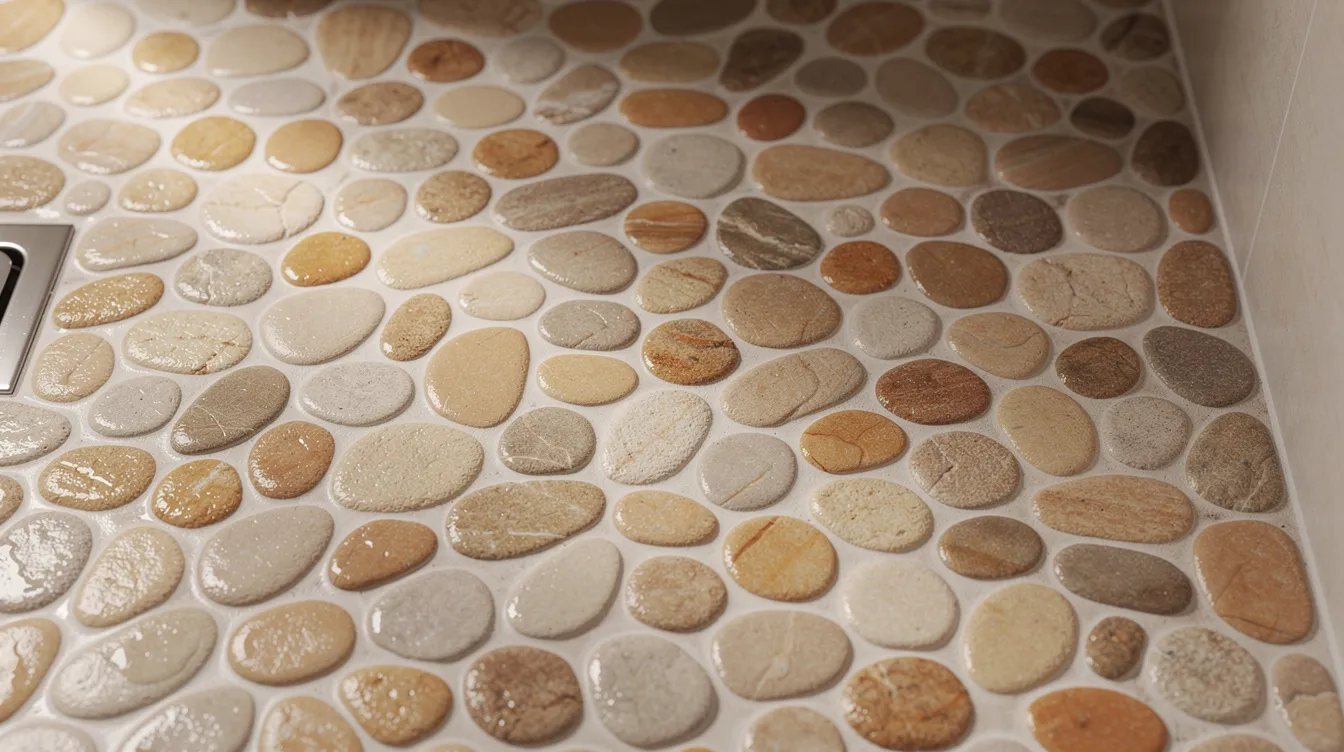
Pebble floors that make you feel like you have arrived at the spa are unbeatable. These small rounded stones are usually sold in sheets with mesh backing and set closely together. They are very textured and naturally slip resistant, giving you grip to avoid slips and falls.
The textural benefits of having realistic natural-looking stones for your new walk-in shower are amazing. They give you a better grip, and gentle foot-massage as well as strong visual impact.
Trade off? More grout joints and more scrubbing and sealing for maintenance. Also, pebble floors which are poorly installed can pool water or feel uncomfortable because the stones sit too high. So, the proper installation is also crucial.
It’s commonly believed that pebble floors are a great addition to an accent shower. This is only true in the case of accent showers in master suites, where homeowners are willing to spend extra time caring for them.
Solid-Surface & Engineered Stone Shower Pans
Solid-surface shower pans are easy to maintain and have fewer grout lines. Manufactured as one piece from composite stone, cultured marble, or blends of acrylic with minerals, they are available with many molded slip resistant textures.
Solid surface materials allow for quick installation and easy slope. There’s little or no upkeep over time when compared with custom tile shower floors. Many brands add safety features, such as lightly pebbled surfaces, low thresholds, or integrated seats.
Style options for solid surface pans have never been better! Stone-look patterns, matte finishes, and colors that directly coordinate with popular porcelain tile are now available. It’s a great way to make a clean statement in a bathroom whether for guests or in the primary suite.
Quality can vary widely between manufacturers, Johnson says, and he suggests looking for standards to ensure materials that don’t scratch or yellow and have a published slip-resistance rating. Good quality water-resistant flooring holds up over time, without warping and deterioration. It’s best to consult a local contractor.
Concrete & Microtopping Shower Floors
Concrete flooring is growing more popular in certain types of construction, especially to achieve modern, minimalist aesthetics. And site-built concrete and cement-based microtopping shower pans are both easy to describe and highly photogenic options.
One of the advantages of concrete are the fact that it is very durable, but it also allows you custom finishes that are not possible with any other materials and subtle textures and colors. You can use a troweled effect to create a surface that mimics stone.
We recommend light broom finishes or textured surface treatments to give the surface added grip when wet. Sealed concrete requires very little maintenance and cleaning, and concrete flooring can last for decades when properly sealed and maintained.
The resale angle on this is mixed. On the one hand, it is a look that will stand out in listings. But it will not appeal to buyers who favor traditional flooring. Resealing periodically, and not using harsh chemicals that strip the sealers, is important, just as with natural stone.
What About Laminate & Wood Floors Near Showers?
Walk in showers are meant to be wet areas with water constantly hitting the floor. Therefore, laminate flooring or traditional wood floors are almost never appropriate for this space.
Does laminate flooring swell when wet
Standard laminate flooring suffers from swelling and delaminating when standing water at the seams is a recurrence. Even products rated as “waterproof” will suffer the same fate, although they have improved the core material and locking systems. Despite their improvements, they should never use as shower floor tiles or in wet zones.
Engineered wood is a beautiful option that has the warm, luxurious look of traditional wood but stands up to humidity better. However, it can’t go in the shower. It’s great for larger primary bathrooms and powder rooms, as long as it’s well-ventilated and properly sealed against water.
Shower floors in porcelain or solid surface are durable and slip resistant, and therefore ideal for resale applications. Consider using a wood-look porcelain tile or luxury vinyl plank in the rest of the bathroom for a warm underfoot feel and the look of wood floors without the moisture risk. This combination handles the bathroom enviroment beautifully, and helps avoid problems that might scare buyers during an inspection.
Design & Style Choices That Age Well (and Help Resale)
Pensacola Bay area buyers gravitate toward a soft palette of whites, beiges, grays, and stone. While trendy, certain shower floor styles can look dated in a matter of three years. Timeless alternatives, such as subway wall tiles paired with mosaic shower floors, are a far more competitive choice at resale.
Delight your guests with an impeccably finished bathroom by choosing the right materials. To complete your perfect bathroom, why not introduce the same flooring in your main bathroom? Use a different sized or colored type of porcelain tile to make things a little more interesting.
Curbless walk in shower entries paired with low-profile glass designs can make a small bathroom look significantly larger—a nice touch when attracting buyers. Tile similar to outdoor pavers might be a fun addition in a coastal-themed bathroom.
Do avoid high-contrast grout and overly busy patterns on your shower floor. Dark glossy tile may also make your shower look dirty and unsafe. Stick with matte or a mid-tone slip resistant finish for appeal.
Maintenance Essentials for Long-Lasting Shower Floors
Easy Maintenance
Life in Florida brings family schedules, beach sand, and humidity. The last thing you want to be doing is constantly attending to your shower floor.
Daily and weekly habits:
-
Squeegee shower floors and walls after use
-
Run exhaust fans for 15–20 minutes after hot showers
-
Wipe corners where soap scum tends to accumulate
Material-specific care:
-
Porcelain tile: mild cleaners, grout sealing as needed. The best tile surfaces resist soap scum buildup naturally.
-
Natural stone and pebble floors: pH-neutral cleaners only, frequent sealing every 12–24 months. Natural stone needs regular sealing to maintain water resistance.
-
Solid-surface pans: non-abrasive cleaners, no special sealing needed
-
Concrete: periodic resealing every 3–5 years, avoid harsh chemicals
Regularly sealing tile joints between tiles stops moisture from seeping under tiles, where it can cause mold and mildew. Sealing the grout protects it from staining, keeping the tiles looking nice and protecting the resale value of your home. 5-15 years is a common range for estimates of how often to have your tile and grout joints sealed. Inspect your grout and caulk whenever doing a deep clean, looking for cracks, gaps, or discoloration. You can catch problems early before they lead to more significant damage underneath the tiles, to the subfloor or framing, for example, if you’re dealing with a shower.
Choosing the Right Option for Your Home & Budget
What’s most important to you—maximum safety, minimal maintenance, spa-level style, or strict budget? Entry material makes all the difference with different combinations and options.
|
Priority |
Best Material Choice |
|---|---|
|
Balanced cost, safety, and style |
Textured porcelain tile |
|
Spa aesthetics |
Pebble or natural stone mosaics |
|
Lowest maintenance |
Solid-surface shower pans |
|
Modern/minimalist look |
Concrete or microtopping |
|
Best value for large format tiles |
Porcelain on walls, mosaics on floor |
Choosing the best shower floor for your bathroom involves assessing factors like the size of the bathroom, existing plumbing, and condition of the subfloor whether it’s old tile, concrete slab, or wood subfloor. Professional installation is ideal for shower floors for ensuring proper waterproofing, slope, and expansion joints to prevent leaks and mold.
Bringing inspiration photos for your contractor and discussing how the shower will be used, whether by kids, pets, or aging parents, will help you get the right solution for your walk in shower.
How Better Shower Floors Affect Resale Value in the Pensacola Bay Area
What’s trending now in Gulf Breeze, Navarre, Pensacola and other local markets? Walk in showers, of course! Buyers are hot for modern, low-threshold, easy-entry showers for primary suites and guest bathrooms alike. Replacing a dated fiberglass tub or cracked shower pan with a tiled or solid-surface walk in shower makes those MLS photos really pop, and supports stronger offers!
High-quality bathroom remodels help sell homes faster, appraisers tend to assign a higher dollar value to them (though exact amount depends on home price and neighborhood). What do buyers love?
-
Safe, visibly non slip surfaces
-
Bright, mold-free grout
-
Cohesive bathroom design with water resistant materials throughout
-
Properly installed, moisture-resistant construction that won’t need near-term repairs
Buyers may be put off by the shower floor. If you used mismatched materials or they look like a poor DIY job, buyers may make lower offers or ask for repair credits based on the inspection report.
Work with a Local Expert: Academy Construction’s Approach
We are your local bathroom remodeling contractor servicing Gulf Breeze | Navarre | Pensacola | Milton | Mary Esther | Fort Walton. We have done hundreds of tub-to-shower conversions and built many custom tile walk in showers all over the Pensacola Bay area.
Home consultation – Floor & shower evaluation and safety options or features like grab bars, seating and shower flooring options. We recommend the type of material that will work best with your home and family ranging from moisture-resistant sealing and waterproofing systems designed for Florida’s humidity and salt air, as opposed to a quick fix.
We are transparent about everything on proposals and timelines – with regards to material options, we tell on upfront and maintenance costs.
Ready to upgrade your walk in shower flooring? Schedule a free consultation or request a quote:
-
Phone: 850-260-3360
-
Email: [email protected]
-
Visit: 506 Navarre St, Gulf Breeze, FL 32561
Common Questions About Walk-In Shower Floors
What is the safest material for walk in shower floors? Textured porcelain tiles enhance grip in wet conditions and offer the best combination of slip resistance, durability, and low maintenance. Mosaic tiles provide better traction due to more grout lines. Look for a wet DCOF of 0.60 or higher.
Can I use the same porcelain tile on my shower floor and bathroom floor? You can use the same tile family, but shower floor tiles should be smaller formats (2×2 mosaics or hex) with textured, non slip finishes. Larger format tiles work well on bathroom floors and walls where slip risk is lower.
How often do I need to reseal natural stone or pebble shower floors? Natural stone requires regular sealing to maintain water resistance-typically every 12–24 months. Pebble floors with their many grout joints may need more frequent sealing, especially in high moisture areas with hard water.
Can water-resistant laminate or LVP run into a bathroom where the shower floor is tile? Yes, as long as transitions are properly sealed and the laminate or luxury vinyl plank stays outside the shower’s wet zone. These materials handle incidental splashes but fail under direct, repeated water exposure in wet environments.
How do I know if a tile is actually slip resistant? Check for published DCOF ratings on the manufacturer’s spec sheet. Matte or textured tiles with ratings of 0.60+ are your safest bet. An experienced local installer can also recommend specific products they’ve tested in real-world shower conditions.


