

Walk-In Shower Pros and Cons: Is One Right for Your Bathroom?
Walk-in showers have taken the bathroom renovation world by storm — and for good reason. These modern, open designs make your bathroom feel bigger, cleaner, and more accessible. But are they the right call for your home? The short answer: it depends. A well-built walk in shower will boost your resale value, especially in the primary suite, while still being comfortable. (Just make sure you have at least one bathtub elsewhere in the house.) But remove the only tub in a starter home, and you may scare prospective buyers away.
Here’s what you actually need to know before you decide.
Quick Answer: Should You Choose a Walk-In Shower?
Buyers love the extra space and easy access of walk-in showers, and they’re happy to expect it in the homes that have been updated. In Gulf Breeze and Pensacola, I’ve seen homes with a thoughtful design in the primary bath featuring a modern walk-in selling more quickly than those with dated fiberglass tub/shower combinations. Since 2020, the buyers I work with in the Pensacola Bay area have never been shy about sharing that information.
This style isn’t for everyone though, plus it could limit resale. If you only have one bathroom and no bathtub, families with young kids will probably pass you by. Also, you could end up with buyers who don’t like the potential for wet and splashy problems, less privacy, and the fact that a custom designed shower can cost more than an off-the-shelf tub/shower combo.
you definitely want a walk-in shower in your primary bath. but you do want a tub elsewhere (usually in the hall bath) for the broadest appeal — and because there’s something undeniably spa-like about indulging in a long soak now and then.
What Is a Walk-In Shower, Exactly?
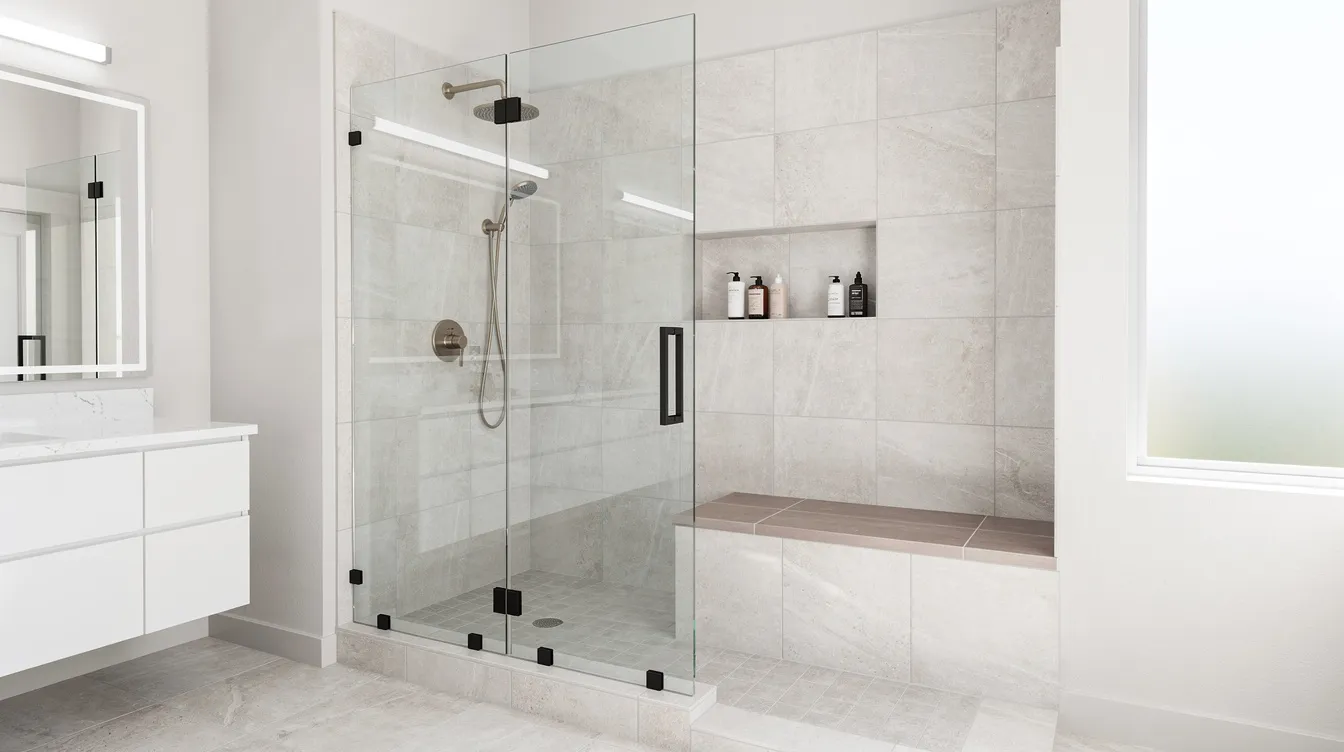
A walk-in shower is in a shower area that is open or partially enclosed. It has little or no curb (or none at all) to allow for floor level or close to it. It’s a departure from climbing over a 15- to 18-inch wall to a tub. Generally done in tile on the walls, with a slip-resistant floor of tile and stone, walk-in showers feature clear glass or a partial wall. With its modern, barrier-free design, a walk-in shower improves bathroom accessibility. There are endless customization options, and it can include everything from niches and benches to rainfall shower heads.
How it differs from other setups:
-
A standard shower enclosure or traditional shower uses a framed door, higher threshold, and often a smaller footprint.
-
A fiberglass tub/shower combo includes a built-in tub and acrylic surround-functional but dated in appearance.
-
Enclosed showers with sliding doors or full framing feel more boxed in than a walk-in’s open entry.
Walk-in showers can be either curbed with a small step (typically 2–4 inches) or curbless. Curbless showers provide easier access, but require more complicated waterproofing and sloping of the floor.
Who requests walk-ins locally? In the Gulf Breeze–Navarre–Pensacola area, it’s mostly aging-in-place clients in their 50s–70s, busy professionals who want low maintenance cleaning, and homeowners updating before listing.
Key Pros and Cons at a Glance
Here’s your pros and cons summary. Keep this as a reference point as you read on to discover detailed information on each pros and cons below.
Shower pros:
-
Modern design and open design feel that makes even small bathrooms look larger and brighter
-
More space and better traffic flow once you remove a bulky tub or framed enclosure
-
Easier access for all ages-walk-in showers allow easy entry without stepping over a ledge
-
Low maintenance potential with grout-free wall systems and smooth surfaces
-
Strong resale value in many Florida markets when at least one tub remains
Cons of a walk-in shower:
-
Higher initial cost than keeping or replacing a tub
-
Water splash risk without proper drainage planning, slope, or glass containment
-
Less privacy with clear glass or open entries
-
Can feel colder-warm air escapes an open layout
-
May reduce resale value in homes with no other tub, especially for families
Each of these deserves a closer look, so let’s break them down.
Walk-In Shower Pros: Why Homeowners Love Them
The popularity of walk-ins turned up around here back in 2018, according to the 2024 NKBA Bath Trends Report. Now, 55% of designers say they emphasize enlarging the shower, not retaining a tub. Here’s why homeowners can’t get enough of these curtainless retreats:
-
More space and open design. Removing a tub or bulky tub enclosure from an 8×5 hall bath can visually double the room’s width. You gain elbow room, better traffic flow, and available space that just didn’t exist before. Many walk in showers make the whole bathroom feel bigger.
-
Modern design and spa feel. Clean lines, large-format tile, frameless glass, and niche lighting create a look that photographs well for listings. Walk-in showers can be customized with various features and tiles, and they often include luxury features like rainfall showerheads. That personal style reads as “updated” to every buyer who sees it online.
-
Easier access and safety. Curbless entries, grab bars, handheld showerheads, and bench seating help seniors, anyone with joint pain, or people recovering from surgery. Walk-in showers have fewer hard-to-reach areas for cleaning, too.
-
Low maintenance potential. Grout-free wall panels and large-format porcelain reduce seams where mildew hides. Walk-in showers have fewer nooks for mold buildup, which means less scrubbing.
-
Flexible layout options. You can build a walk-in in a corner, an alcove, or across the full back wall. Custom sizing eliminates awkward dead corners and lets you use every inch of your new bathroom.
Walk-In Shower Cons: What You Need to Watch Out For
Here’s the thing: most complaints we hear about walk-in showers have to do with poor design or cheap installation-and not with the idea of walk-in showers themselves. So let’s plan around those issues.
-
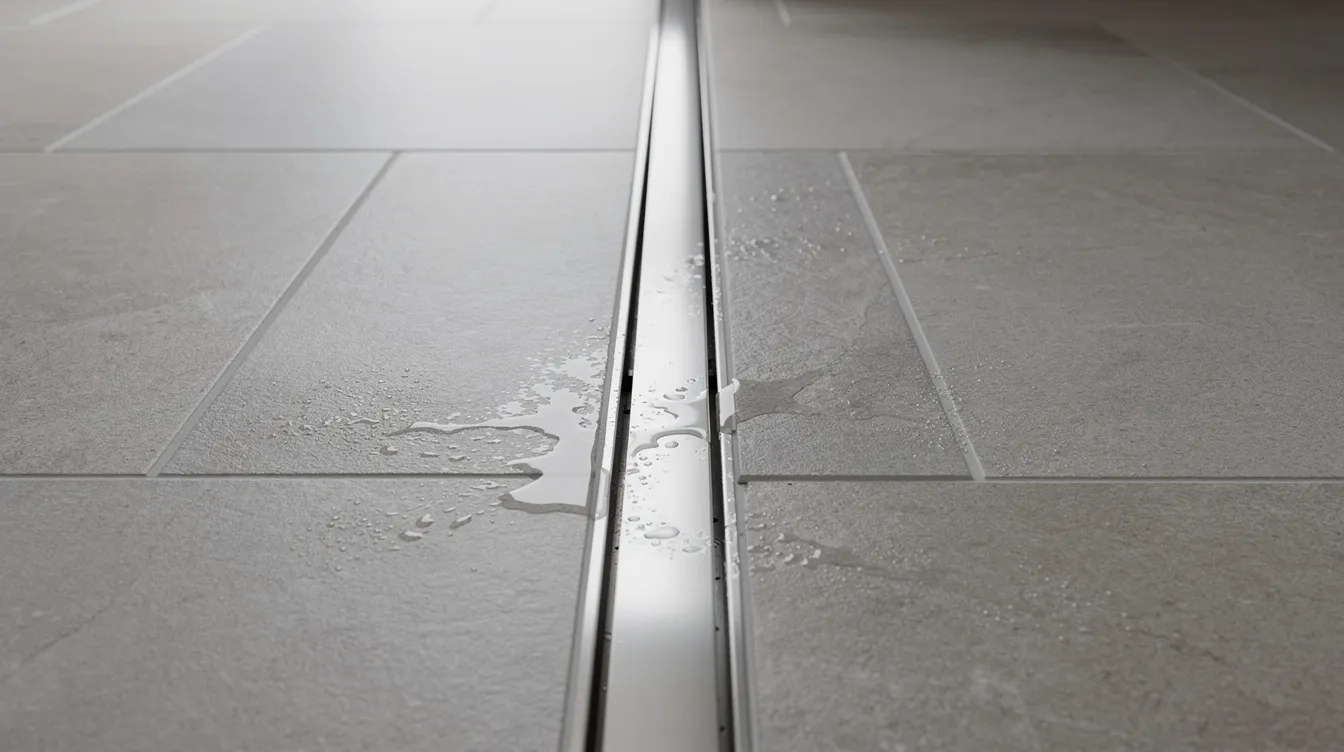
Water on the bathroom floor. Splash and overspray are the most common cons of a walk-in, especially with completely doorless setups. Without proper slope, a central drain or linear drain in the right spot, and at least one fixed glass panel, you’ll be mopping after every shower. A partial wall or return panel can solve most of this.
-
Heat and comfort. Open or doorless walk-in showers can allow heat to escape, making them feel cooler-especially on winter mornings. Solutions include overhead heat lamps, radiant floor heating, or adding a return panel to trap steam.
-
Less privacy. Clear glass and open entries work fine in a private primary suite but feel awkward in a shared or kids’ bath. Frosted glass, tiled half-walls, or angled entrances fix this based on personal preference.
-
No tub for soaking. Losing the only tub in your home is a real lifestyle trade-off for bath lovers, parents of small children, and pet owners. A walk in tub is one alternative, but most people I work with just keep a standard tub in the hall bath.
-
Higher upfront cost. Installation costs of walk-in showers can be higher due to custom work and materials. Walk-in showers cost between $6,000 and $12,000 for a mid-range build. Standard curbed walk-in showers cost $2,500 to $6,000, while custom walk-in showers can exceed $15,000. Compare that to installing a bathtub, which can cost as little as $200, or a tub-to-shower conversion at $1,500 to $8,000. Walk in shower installation on a slab foundation-common in Gulf Breeze-often requires concrete cutting for drain relocation, which adds to the bill.
Accessibility, Aging in Place, and Safety Benefits
Our Academy Construction clients, mostly homeowners in their 50s through 70s from Gulf Breeze and Navarre, face one common challenge: how to safely stay in their homes without worrying about falls in the bathroom. Converting a tub to a walk-in is the single best thing they can do.
-
A curbless or low-curb entry reduces tripping hazards dramatically. A typical tub wall is 15–18 inches high; even a 4-inch curb is far easier to manage. Curbless designs enhance accessibility for wheelchair users and anyone with limited mobility.
-
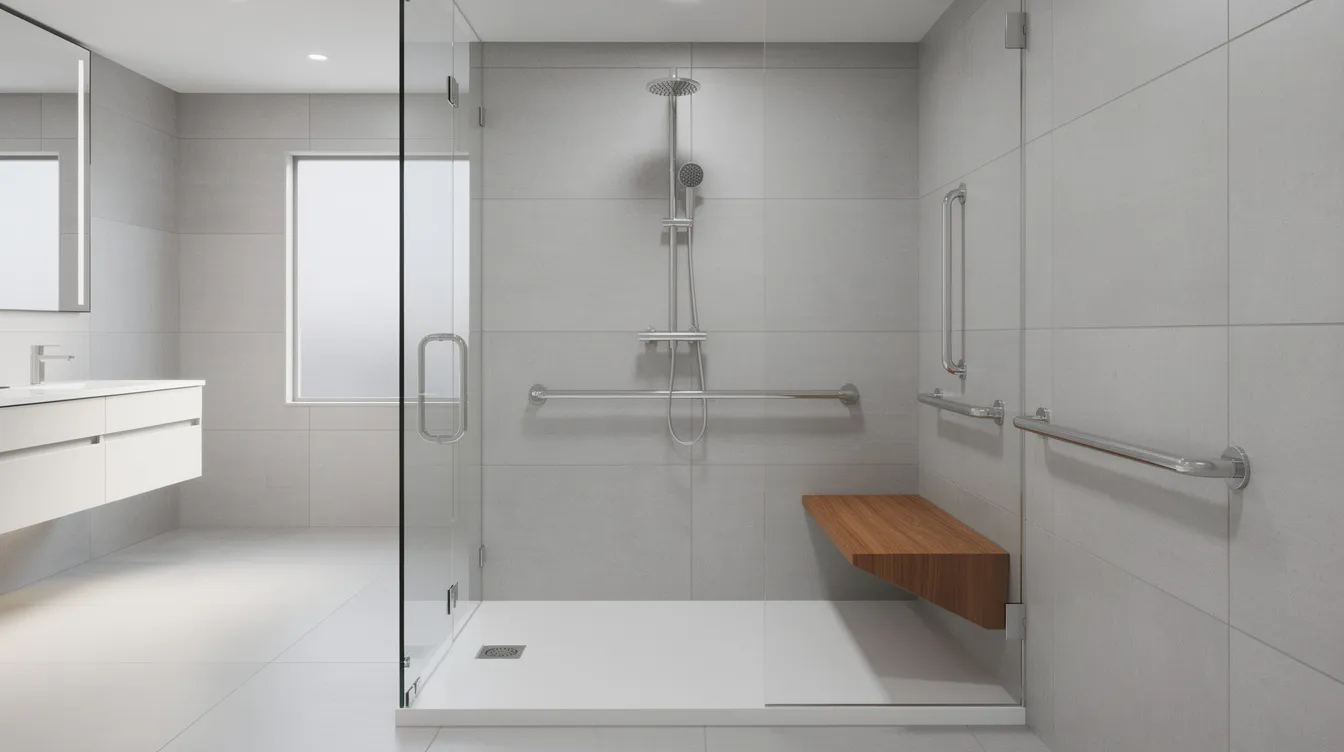
Grab bars can be installed for added safety, and when combined with textured slip resistant flooring and good lighting, they significantly reduce fall risks for elderly users and children. Accessibility is a key advantage of walk-in showers for individuals with mobility challenges.
-
Bench seating, handheld shower heads, and wide openings make daily routines manageable for people dealing with arthritis, limited balance, or post-surgery recovery. Walk-in showers provide ample space for maneuvering mobility aids like walkers.
-
Investing in these features now prevents a rushed, more expensive remodel after an injury. Planning ahead is always cheaper.
-
Professional design matters here. Safety features should look integrated-not clinical-so they protect both your daily life and your resale value. A well-placed grab bar in matching hardware looks intentional, not institutional.
Water Containment, Bathroom Floor Design, and Heat Loss
While some people complain that walk-in showers make their bathrooms feel too messy or cold, there are ways to work around this issue, depending on the design of its footprint, shower and bathroom floor.
-
How to prevent water from escaping. Slope the shower floor toward a linear or central drain-precise drainage slope is essential for preventing pooling in walk-in showers. Position the shower head away from the opening. Use at least one fixed glass panel to block direct spray. These three steps prevent water damage in nearly every layout.
-
Flooring matters. Use slip-resistant porcelain or LVT for the main bathroom floor outside the shower. Glossy tiles turn dangerously slick when wet-avoid them.
-
Florida-specific humidity. Standing water plus Gulf Coast humidity equals mildew fast. Correct drainage and an exhaust fan vented to the outside (ideally on a timer) are non-negotiable to prevent water damage and mold.
-
Dealing with heat loss. Semi-enclosed layouts, a transom panel above the glass, or an exhaust-fan/heater combo rated for wet locations help hold warm air inside the shower. Heated floors outside the shower also make stepping out more comfortable.
-
I frequently rework DIY walk-ins where owners skipped slope, waterproofing, or proper drain placement and ended up with constant mopping or chilly showers. Getting the fundamentals right the first time costs less than fixing them later.
Cleaning, Maintenance, and Material Choices
One of the many advantages of walk-in showers is low maintenance-when they’re built with the right materials and you keep up basic habits.
-
Wall systems. Grout-free panels or large-format tile with epoxy grout minimize joints where mildew forms. Easy maintenance is an advantage of walk-in showers due to fewer hidden areas for dirt. Walk-in showers typically have smooth surfaces for easy wiping-no seams to dig into.
-
Glass. Clear tempered glass with a protective coating looks sharp but shows soap scum and water spots. A quick squeegee after each shower keeps it looking new. Regular cleaning prevents soap scum buildup.
-
Floor materials. Textured porcelain or solid acrylic pans are durable and easier to clean than cheap mosaic tile work with dozens of grout lines. Less hard-to-reach areas make walk-in showers low maintenance overall.
-
Simple maintenance schedule: Weekly wipe-down of glass and tile. Monthly drain check-pull out hair and soap buildup. Annual inspection of caulk and seals to catch small leaks before they become big problems.
-
Cleaning walk-in showers is easier than cleaning a traditional bathtub, where grime collects in corners and around fixtures you can barely reach. In humid coastal climates like Pensacola and Fort Walton, proper ventilation and moisture-resistant materials matter more than in drier regions. Install good hardware and you won’t fight mold.
Resale Value: How Walk-In Showers Influence Home Buyers
The competitiveness of the Pensacola Bay market has been unprecedented since 2020. We have found that updating a modern walk-in shower can positively increase the desirability and value for mid-range and higher-end move-up homes. Updated primary baths in listings with pictures that show stylish frameless glass showers, clean tile and built-in niches have had a significant increase in clicks and showings. Many factors play into the final sale price but buyers do notice a nice shower!
-
In mid-range homes, prospective buyers often see a well-built walk-in as a sign the whole house has been cared for. Quality fixtures and timeless finishes support higher offers.
-
Removing the only bathtub can lower home value. Some buyers prefer traditional bathrooms with a bathtub, especially families. Retaining at least one bathtub appeals to families with children-usually keep it in the hall bath.
-
Appraisers may not add a line-item value for a walk-in, but the home shows better, spends less time on market, and attracts stronger offers. Several factors contribute, but appearance and perceived modernity weigh heavily.
-
What hurts value: DIY walk-ins with poor waterproofing, visible mold, or obvious leaks scare buyers and inspectors. That can reduce offers or kill deals entirely.
-
If you plan to sell in the next 3–5 years, stick with timeless finishes-white or light neutral tile, simple lines, quality hardware. Bold trends date fast and narrow your buyer pool. Thoughtful design with broad appeal always wins.
Is a Walk-In Shower Right for YOUR Bathroom?
This comes down to your layout, who uses the space, and how long you plan to stay. Here’s how to decide:
-
Who uses this bathroom? If it’s a primary suite for adults, a walk-in is usually the right call. If it’s the only tub in the house or a kids’ bath, think twice before removing the bathtub.
-
Size and layout. Open layouts make small bathrooms feel larger, but very tight rooms can struggle with splash control and privacy. Glass panels and a partial wall help in compact spaces.
-
Budget and priorities. Weigh accessibility, personal style, and resale value against the higher upfront cost. A walk-in is a popular upgrade that pays back in comfort and market appeal-but only when done properly with quality materials.
-
Future plans. Plan to age in place? Invest in curbless entry and grab bars now. Selling soon? Focus on appearance and broad appeal. Turning it into a rental? Durability and low maintenance cleaning matter most.
-
A free in-home consultation can quickly reveal whether your existing plumbing, structure, and available space suit a walk-in-or whether a different upgrade makes more sense for the rest of your home’s life.
How Academy Construction Designs and Builds Walk-In Showers
Locally-owned Gulf Breeze bathroom remodeler building long-term solutions that stand up to Florida’s humid climate and slab foundations. We have years of experience and know what works — and what doesn’t.
-
The process starts simple. Free in-home consultation where we take measurements, inspect for moisture issues, and talk through your accessibility needs, your style, and your budget. No pressure-just information to help you plan.
-
Materials built for Florida. We use moisture-resistant backer boards, proven waterproofing systems, slip-resistant pans, and either grout-free or tiled finishes depending on what fits your home and budget.
-
Proper installation. Code-compliant plumbing, correct slope to drains, and careful sealing to prevent leaks that damage subfloors or adjacent rooms. Walk in shower installation done right the first time.
-
Optional upgrades. Grab bars, niches, bench seating, frameless glass, and modern fixtures-all at a mid-to-upper range budget without luxury price tag shock.
If you’re a homeowner in Gulf Breeze, Navarre, Pensacola, Milton, Mary Esther, or Fort Walton and you’re weighing whether a walk-in shower fits your bathroom, give us a call at 850-260-3360 or email [email protected]. We’ll come take a look, answer your questions, and give you an honest quote-no obligation. You can also visit us at 506 Navarre St, Gulf Breeze, FL 32561.


